





Specialised Service

SIMMS Audits of Mining Structures

SIMM (Structural Inspection and Maintenance Management) is the standard framework for full structural audits of mining structures in South Africa. Delta Scan delivers SIMMS audits under registered Pr Eng oversight, accelerated by drone and 3D reality capture so every structure on the register is assessed, categorised, and reported without guesswork.

Trusted by
Sibanye-Stillwater Eskom Grindrod Debswana TotalEnergies
In short

A SIMMS audit is the standard full structural audit of mining structures in South Africa, run under a Structural Inspection and Maintenance Management programme. Delta Scan captures each structure with drones and 3D scanning, then a registered Pr Eng assigns condition categories and repair priorities in a signed report aligned to the mine's SIMM standard.

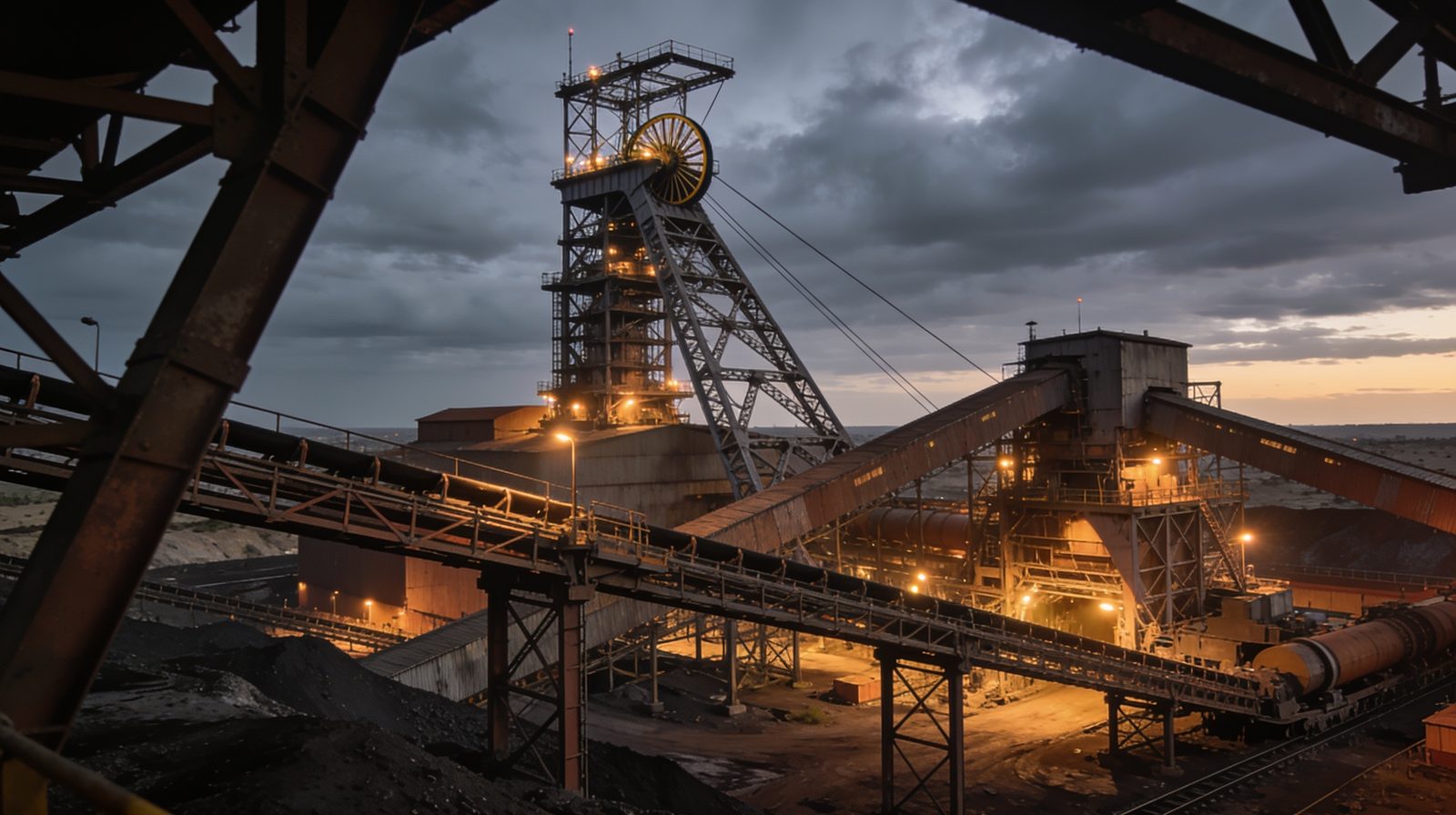
SIMM, short for Structural Inspection and Maintenance Management, grew out of Anglo American's technical standard for plant structures (AA TS 108 003, the SIMM Guideline for plant structures) and has been adopted across the South African mining industry as the common language for structural audits. It sits inside the duty-of-care framework of the Mine Health and Safety Act (Act 29 of 1996): every structure on a mine, from headgear and conveyor gantries to bins, silos, and plant steel, must be inspected, condition-rated, and maintained under a managed programme. A SIMMS audit assigns each structure a condition category and a level of priority, so safety-critical defects are surfaced, ranked, and tracked to close-out rather than buried in a report.

Delta Scan delivers SIMMS audits as a structural engineering service, not a checkbox exercise. Reality capture does the legwork: drones cover high steel and no-access areas, confined-space capture reaches bunkers and internal structures, and the resulting measurable 3D record means the condition assessment is grounded in complete coverage rather than what could be reached from a ladder. A registered Pr Eng reviews and signs the findings, and the full record lives in DeltaCloud where condition trends can be compared audit to audit.
When to use it

Typical engagements.

Each scenario below represents a real-world trigger for this service. If your situation matches one of these, get in touch.

Scheduled SIMM programme audits

The recurring structural audit cycle defined by the mine’s code of practice and SIMM programme. Delta Scan slots into the existing register, standards, and reporting templates, including AA TS 108 003 aligned systems.

Backlog and catch-up audits

Where the structural audit cycle has slipped, a capture-assisted campaign re-establishes the baseline across the full structure register quickly, with defects categorised and prioritised for the maintenance plan.

Pre-shutdown scoping

A SIMMS audit ahead of a planned shutdown converts allowance-based structural repair budgets into precise, located scopes, so contractors arrive knowing exactly which members, joints, and platforms need work.

Acquisition and life-extension baselines

Independent structural condition baselines for due diligence, life-extension studies, and closure planning, with quantitative condition data for every significant structure on the property.

How it works

Our process.

A repeatable five-stage workflow. The same disciplined sequence runs whether the site is a 500-hectare mining operation or a single 60-metre bridge.

01

Register and standard alignment

The audit is scoped against the mine’s structure register and SIMM standard. Structure classes, condition category definitions, priority scales, and reporting templates are agreed before fieldwork so results drop straight into the client’s system.

02

Capture-assisted inspection

Field teams combine close visual inspection with drone capture of high and no-access steel, confined-space capture of bins and internal structures, and 3D scanning where measurable geometry is needed. Coverage is complete, not sampled.

03

Condition categorisation

Every structure is assessed and assigned its condition category and level of priority. Defects are located on the captured geometry, photographed, and classified, with safety-critical items flagged immediately rather than waiting for the report.

04

Pr Eng review and sign-off

A registered professional engineer reviews the assessment, confirms the categorisations, and signs the audit. The deliverable stands as the mine’s structural record for auditors, regulators, and insurers.

05

Maintenance planning and trend tracking

Prioritised repair recommendations feed the maintenance plan. The full record is delivered through DeltaCloud, so the next audit cycle measures change against this one and the condition trend of every structure is visible.

Request a SIMMS audit proposal Structural condition audits
Equipment

What we use.

Calibrated, sector-matched hardware combined with proprietary software. The capture stack is selected for the asset, not the other way around.

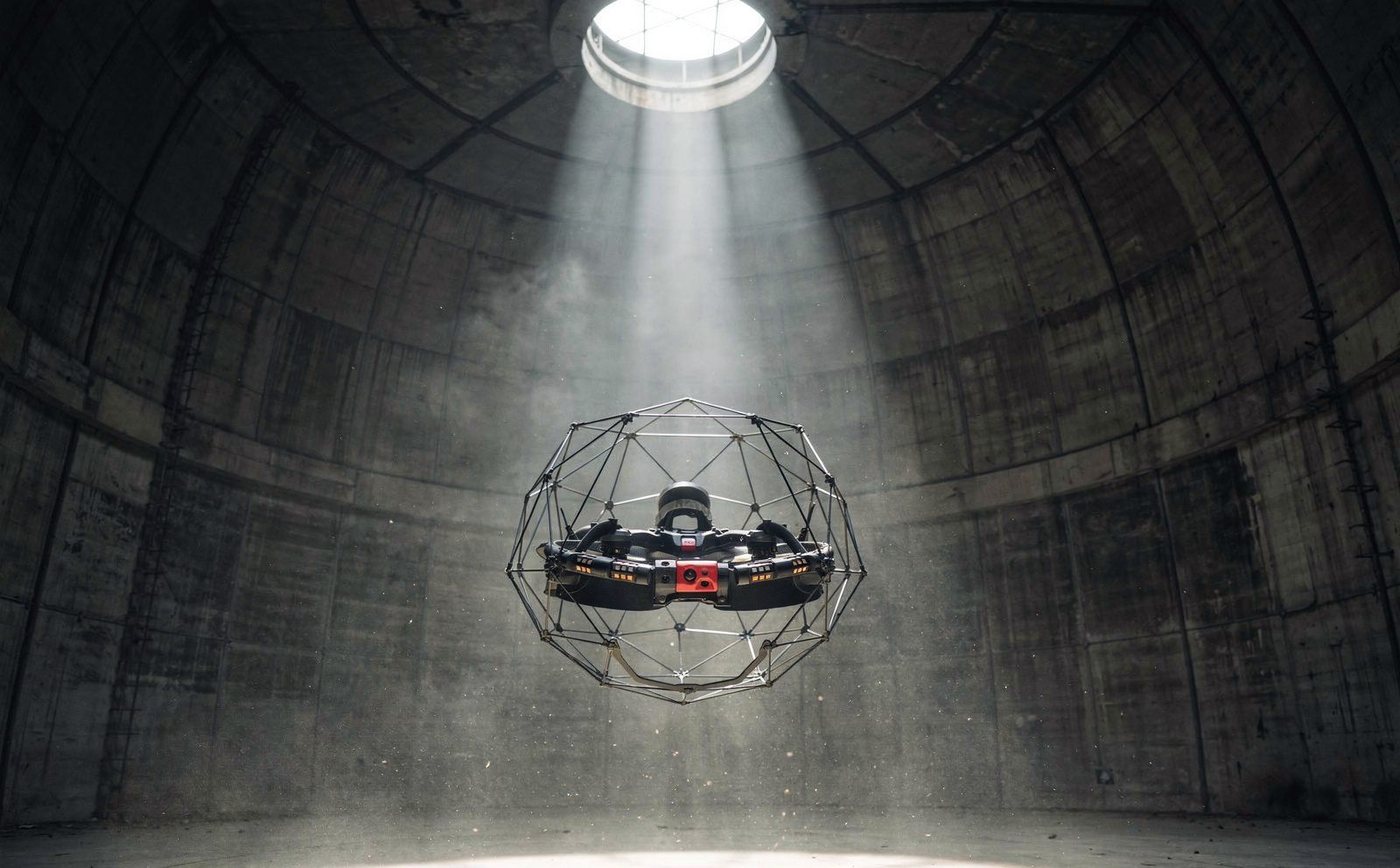
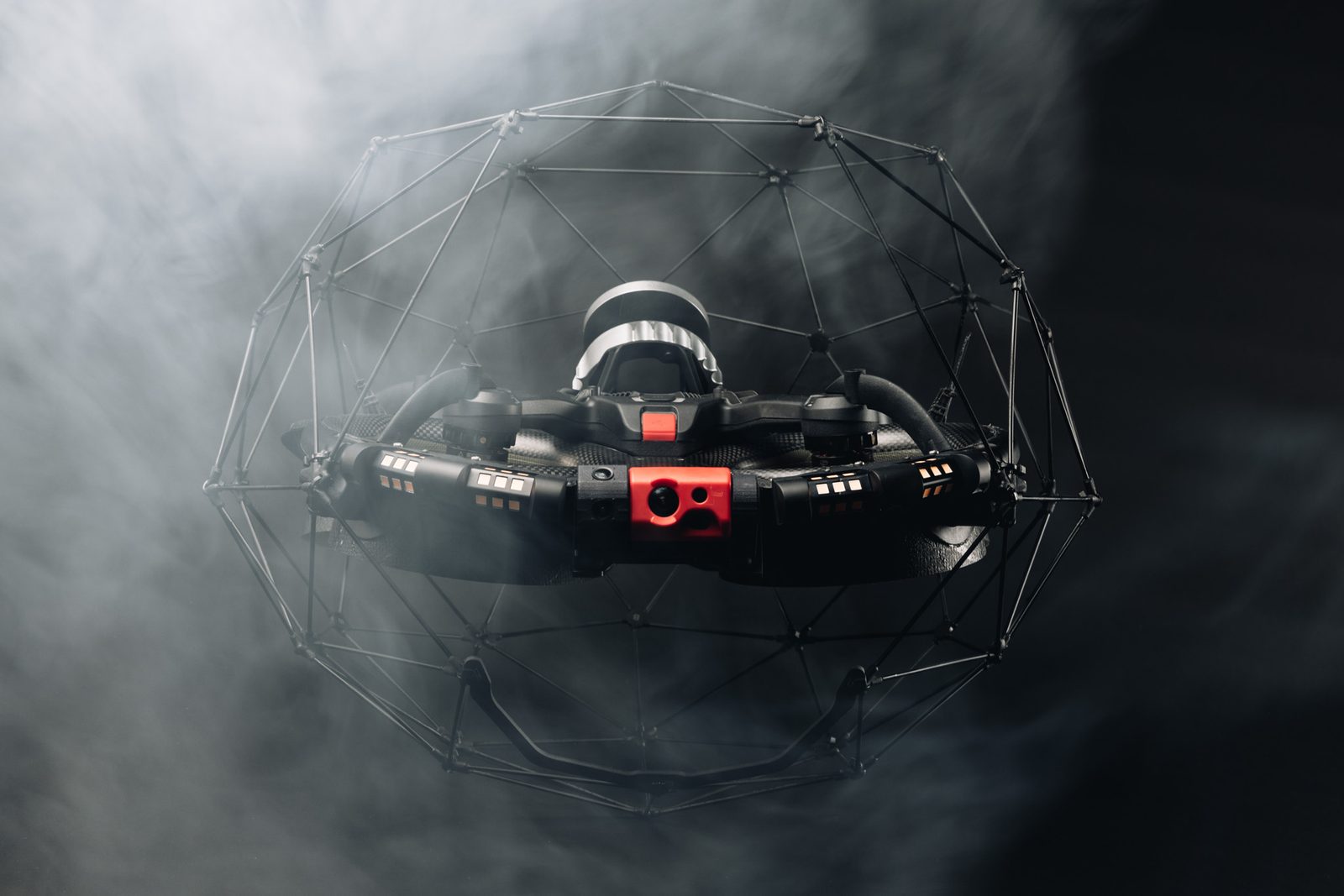
Flyability ELIOS 3

Flyability ELIOS 3

Confined-space and high-steel capture: bins, bunkers, headgear internals, and areas where scaffolding or rope access would otherwise be needed.

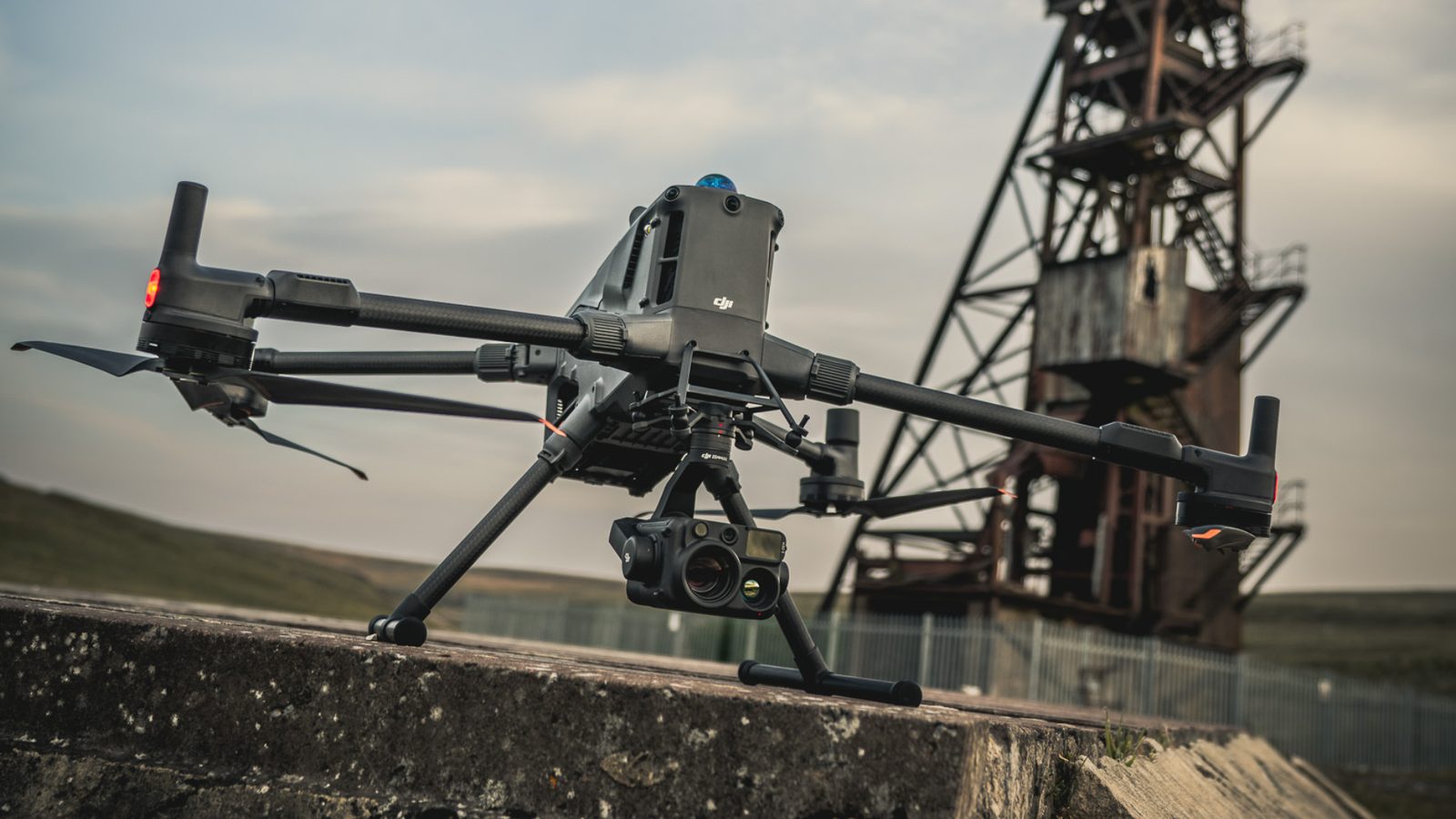
DJI Matrice 400 with Zenmuse H30T

DJI Matrice 400 with Zenmuse H30T

External structural capture at height: headgear, conveyor gantries, stacker-reclaimers, and plant exteriors, with thermal where moisture or process heat matters.

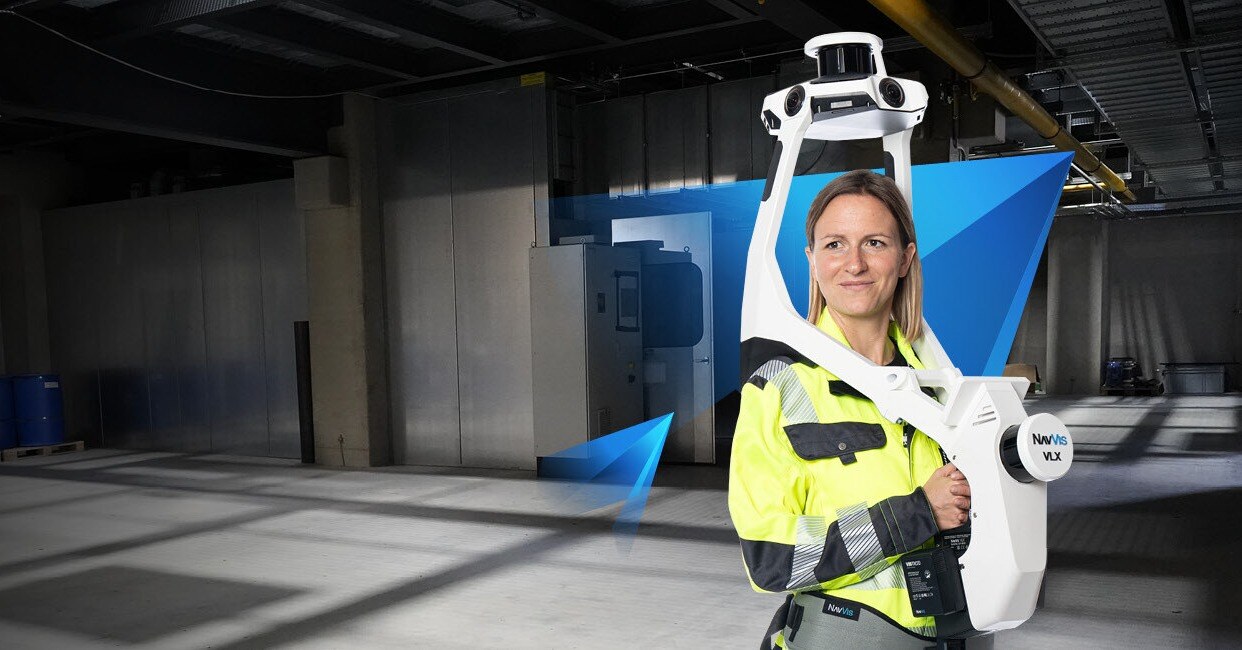
NavVis VLX 3

NavVis VLX 3

Walking-pace capture of plant interiors and structural corridors, producing the measurable record that condition assessments and repair scopes are pinned to.

Sectors

Where this fits.

The same engineering discipline applies across Headgear and shaft steel, Processing plants, Conveyors and materials handling, Bins, silos and bunkers. The detail changes with the asset class and the operational context.

Headgear and shaft steel

Winder towers, headframes, sheave decks, shaft collars and station steel. Condition assessment without stopping winding operations

Processing plants

Mill buildings, plant steel, chutes, screens and support structures. Audit cycles aligned to plant shutdown windows

Conveyors and materials handling

Overland and plant conveyors, transfer towers, gantries, stackers and reclaimers. Full-route capture instead of spot checks

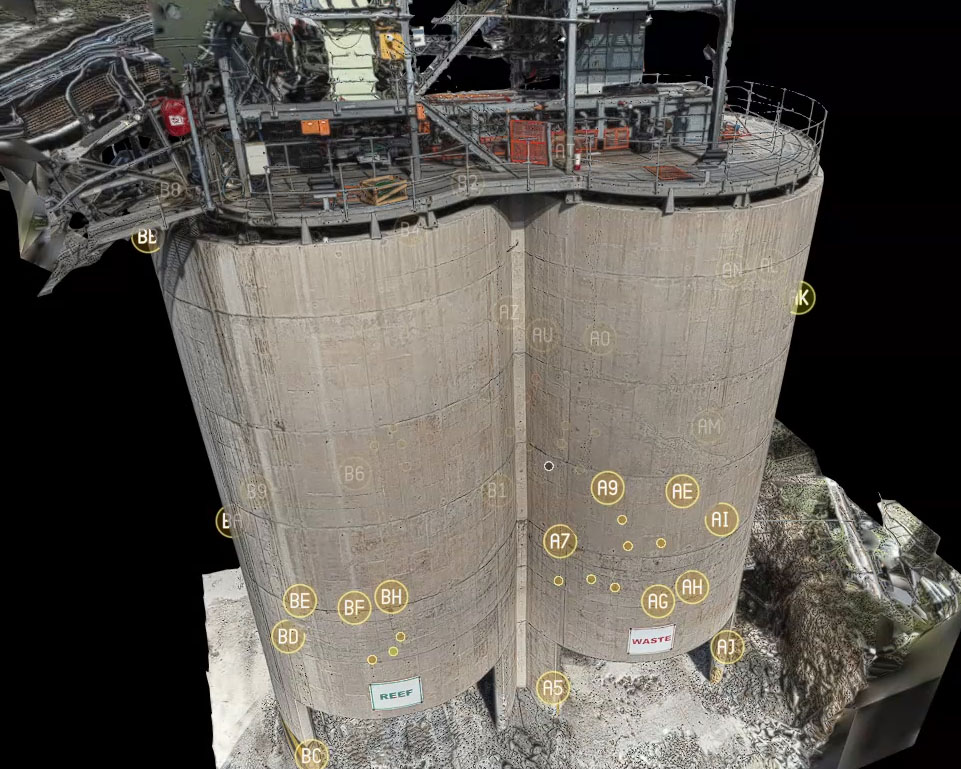
Bins, silos and bunkers

Storage and surge structures audited inside and out, including internal capture with no human entry

Selected work

Recent engagements.

Specific projects where this service was deployed. Each links to the full case study with metrics, equipment, and outcomes.

FAQ

Frequent questions.

Direct answers to the questions clients ask most often before engaging.

What does SIMM stand for?

Structural Inspection and Maintenance Management. The framework is commonly written SIMM, SIMM’s, or SIMMS, and traces to Anglo American’s technical standard for plant structures (AA TS 108 003), which much of the South African mining industry has adopted or adapted.

Is a SIMMS audit a legal requirement?

The Mine Health and Safety Act places a duty on mines to keep structures safe, and each mine’s code of practice defines how structural inspection and maintenance is managed. A SIMM programme is the accepted way of discharging that duty for structures, and the audit is its backbone.

How often should SIMMS audits be done?

Cadence is set by the mine’s SIMM programme and code of practice, typically a recurring cycle with more frequent attention for structures in poorer condition categories. We align the audit scope and frequency to the client’s standard rather than imposing our own.

Do you work within our existing SIMM system?

Yes. We audit against your structure register, condition category definitions, priority scales, and reporting templates, including AA TS 108 003 aligned systems, so results integrate directly with your maintenance planning.

What does reality capture add to a SIMMS audit?

Coverage and evidence. Drones and 3D capture reach high steel, no-access areas, and confined spaces without scaffolding, and every defect is located on measurable geometry. The next audit cycle then measures change against this record instead of starting from scratch.

Who signs the audit?

A registered professional engineer (Pr Eng, ECSA) reviews and signs the findings. The deliverable is engineering documentation your auditors, insurers, and regulator can rely on.

Related services

If this fits, these often do too.

Engineering programmes rarely run on a single service. These adjacent capabilities most often pair with the work above.

Accuracy & standards

Built to be signed, not just shared.

Pr EngECSA

Engineering deliverables reviewed and signed by a registered professional engineer.

SAGIsurvey

Geospatial deliverables carry registered land-surveyor sign-off where accuracy must be certified.

Classstated

Every deliverable carries a stated survey accuracy class or BIM level of development (LOD), reported per engagement against check-point analysis.

Standardscited

Findings cross-referenced to the applicable codes (SANS, TMH, EN), with accuracy statements on every report.

Start here

Request a SIMMS audit proposal

Send the brief and our engineering team will review your enquiry and reply within one business day. Prefer to talk first? Call or WhatsApp us below.

Response within 1 business day · Pr Eng or SAGI signed

Start a project Call