The traditional challenge
Historically, façade inspections relied on manual assessment, with teams scaling buildings to evaluate exterior conditions. This traditional methodology presented significant obstacles: the dangers of working at heights, extended timelines, potential human error, and difficulty accessing certain building areas without specialised equipment.
The advent of drones
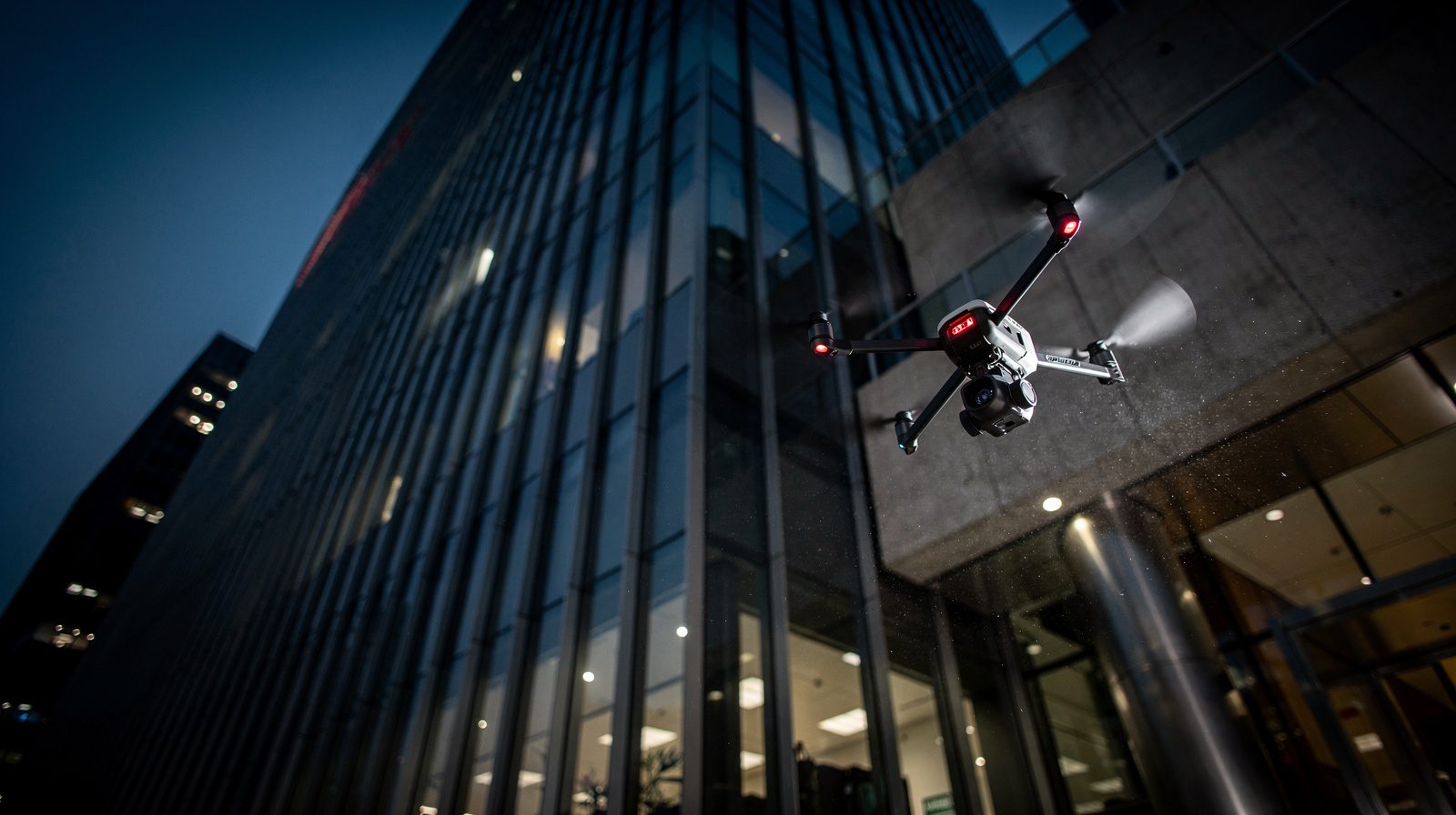
Delta Scan's drone technology transformed façade inspection practices. Equipped with high-resolution cameras and sensors, these drones navigate building exteriors with ease, capturing detailed imagery and data. They detect, classify, and quantify defects with remarkable precision. Internal mapping capabilities reach inaccessible locations, providing comprehensive structural insights while eliminating the need for inspectors to physically climb structures.
Key benefits
- Safety first: drones eliminate dangerous height work, reducing accident and injury risks
- Time-efficient: coverage of large areas occurs significantly faster than traditional methods
- Cost-effective: labour and equipment expenses decrease substantially, improving accessibility for building owners
- Data accuracy: AI-driven analysis identifies defects with exceptional precision, ensuring comprehensive assessments
AI integration for smart analysis
Drones and AI work synergistically to elevate inspection capabilities. AI algorithms analyse extensive data collected by drones, identifying cracks, corrosion, and material defects. Predictive maintenance features recognise deterioration patterns, enabling proactive interventions that extend structural lifespan and reduce long-term costs.
Challenges and future developments
Current obstacles include regulatory frameworks, privacy concerns, and operator expertise requirements. Future advancements will likely incorporate Building Information Modelling integration, real-time monitoring, and sophisticated AI algorithm development.
The integration of AI and drones in commercial façade inspections is a game-changer for construction and real estate industries.
This approach enhances safety, accuracy, and efficiency while ensuring built environment longevity through proactive maintenance practices.