





Specialised Service

Waterproofing Audits for Commercial and Industrial Buildings

Find where water is actually entering, not where the damp appears. Thermographic survey and drone roof capture locate the failure, and the report tells you what to fix and in what order.

Trusted by
Sibanye-Stillwater Eskom Grindrod Debswana TotalEnergies

Water rarely enters a building where the stain appears. It enters at a failed lap, a blocked outlet, a cracked upstand or a perished sealant joint, then tracks along a slab or through a ceiling void before it becomes visible. That gap between the symptom and the cause is why so much waterproofing money is spent twice: the visible area is redone, the leak returns after the next storm, and the failure was never anywhere near the repair.

A waterproofing audit closes that gap by surveying the whole envelope rather than the complaint. Delta Scan combines thermographic survey, which shows retained moisture as a thermal signature, with drone capture of roofs and facades that are difficult or unsafe to walk. The output is a mapped record of where moisture is present, an assessment of the failure mechanism behind it, and a prioritised schedule so the budget goes to the defect that is actually causing the ingress.
When to use it

Typical engagements.

Each scenario below represents a real-world trigger for this service. If your situation matches one of these, get in touch.

Recurring leaks that survive repeated repair

The most common reason for a waterproofing audit. When the same area has been patched two or three times and still leaks, the repair is not at the entry point and further patching will not find it.

Before recovering or replacing a roof

A full-area survey before a re-roof establishes how much of the existing system is wet, which substrate is compromised, and whether an overlay is viable or the deck has to come off. It is the difference between a scoped tender and a variation order.

Acquisition, lease or handover due diligence

An independent condition record of the building envelope before signing, so latent moisture and end-of-life waterproofing are priced into the transaction rather than discovered afterwards.

Insurance claims and dispute resolution

Where the cause and extent of water damage is contested, a dated survey with mapped moisture and an engineering assessment of the mechanism supports the claim or the defence.

How it works

Our process.

A repeatable five-stage workflow. The same disciplined sequence runs whether the site is a 500-hectare mining operation or a single 60-metre bridge.

01

Envelope review and scope

We establish the roof types, ages and previous repair history, the areas of reported ingress, and what the audit has to support: a repair schedule, a tender, a claim, or a capital plan.

02

Thermographic survey

Retained moisture holds heat differently to dry substrate. Thermal survey, flown or walked depending on access and area, is timed to the thermal conditions that make wet areas separable rather than simply carried out when convenient.

03

High-resolution roof and facade capture

Drone capture records the physical condition of laps, upstands, outlets, penetrations and flashings across the full area, including elevations that cannot be safely accessed on foot.

04

Verification and diagnosis

Thermal anomalies are checked against the visual record and, where required, physical moisture readings. This step exists to remove false positives: a warm patch is not a leak until the mechanism behind it is identified.

05

Pr Eng signed report and repair schedule

You receive mapped moisture extents on plan, the diagnosed failure mechanism per area, photographic evidence, and a repair schedule ranked by severity and consequence, signed by a registered Professional Engineer.

Request a waterproofing audit See structural condition audits
Equipment

What we use.

Calibrated, sector-matched hardware combined with proprietary software. The capture stack is selected for the asset, not the other way around.

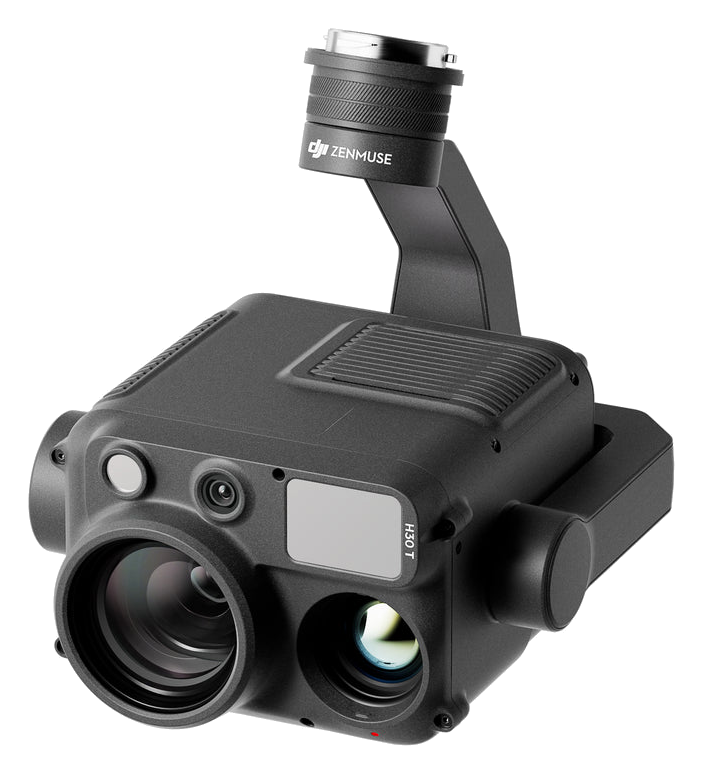
DJI Zenmuse H30T

DJI Zenmuse H30T

Combined thermal and high-resolution visual payload for roof and facade survey in a single flight

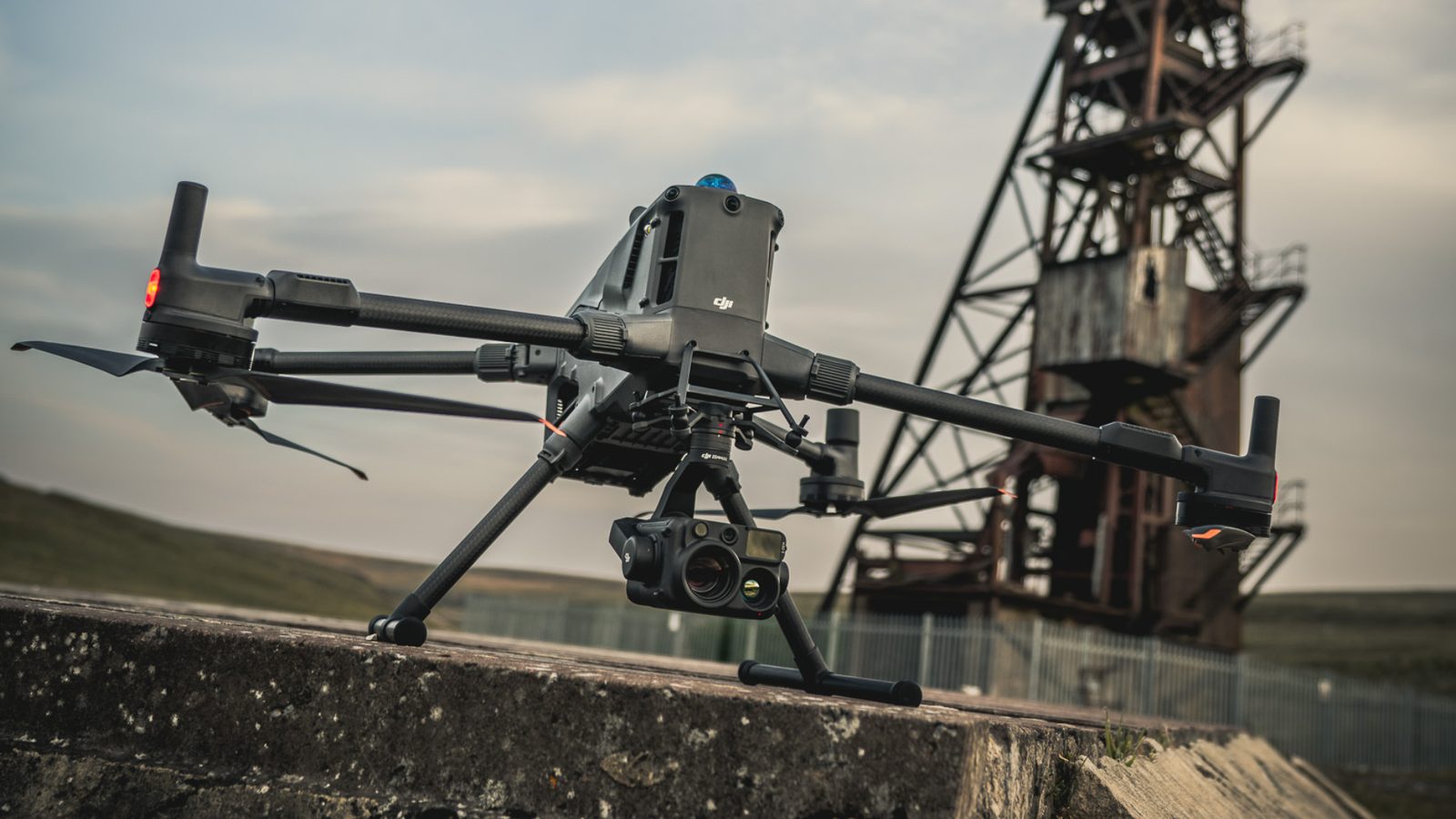
DJI Matrice 400

DJI Matrice 400

Carrier platform for full-area roof capture on large commercial and industrial footprints

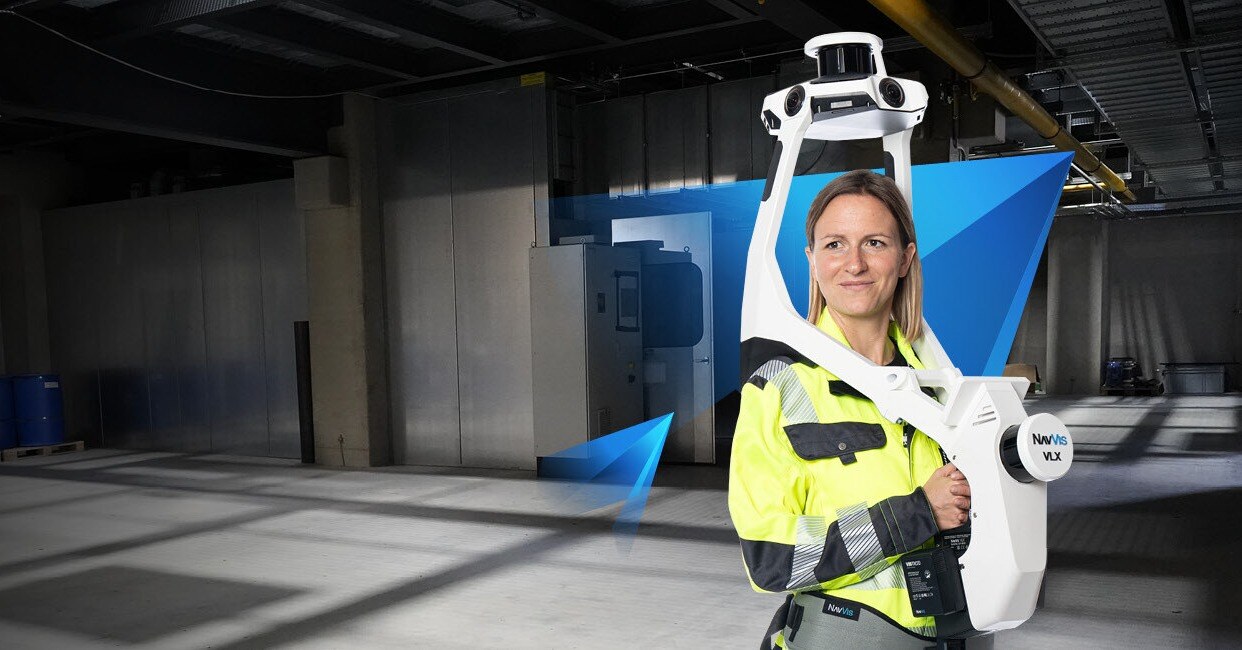
NavVis VLX 3

NavVis VLX 3

Mobile scanning of interiors and ceiling voids where the ingress path has to be traced inside the building

Sectors

Where this fits.

The same engineering discipline applies across Commercial and retail property, Industrial and manufacturing, Body corporate and managed property, Insurance and loss adjusting. The detail changes with the asset class and the operational context.

Commercial and retail property

Shopping centre, office and warehouse roof audits ahead of capital planning, re-roofing tenders, or tenant damage disputes.

Industrial and manufacturing

Factory and plant roof surveys where ingress threatens production equipment, stock or electrical infrastructure below.

Body corporate and managed property

Common-property waterproofing condition records supporting reserve fund planning and special levy motivation.

Insurance and loss adjusting

Independent assessment of cause, extent and age of water damage where quantum or liability is contested.

FAQ

Frequent questions.

Direct answers to the questions clients ask most often before engaging.

Does thermography find the leak itself?

It finds retained moisture, which is not the same thing. Moisture mapping narrows a whole roof down to defined wet areas, and the visual survey of laps, upstands and penetrations within those areas identifies the entry point. The two together find the leak. Thermal imagery alone produces false positives, which is why we verify before reporting.

Do you do residential home inspections?

No. This service is scoped for commercial, industrial and body-corporate buildings. Single residential dwellings are not our practice area.

Can you survey while the building is occupied and operating?

Yes. Drone and thermal capture is non-contact and is flown over the roof without entering tenanted space. Where the ingress path has to be traced internally, that work is scheduled around occupancy.

Do you carry out the waterproofing repairs?

No, and that is deliberate. We are the assessing engineer, not the contractor. The audit is independent of whoever prices or performs the remedial work, which is what makes it usable in a tender or a dispute.

What weather conditions do you need?

Thermographic survey depends on a thermal differential between wet and dry substrate, so timing matters more than for a purely visual survey. We schedule to the conditions that produce a reliable result rather than surveying in conditions that would produce an ambiguous one.

Related services

If this fits, these often do too.

Engineering programmes rarely run on a single service. These adjacent capabilities most often pair with the work above.

Accuracy & standards

Built to be signed, not just shared.

Pr EngECSA 202001436

Every engineering deliverable is reviewed and signed by Darryl Epstein, a registered Professional Engineer (Pr Eng, ECSA 202001436).

SAGIsurvey

Geospatial deliverables carry registered land-surveyor sign-off where accuracy must be certified.

Classstated

Every deliverable carries a stated survey accuracy class or BIM level of development (LOD), reported per engagement against check-point analysis.

Standardscited

Findings cross-referenced to the applicable codes (SANS, TMH, EN), with accuracy statements on every report.

Start here

Request a waterproofing audit

Send the brief and our engineering team will review your enquiry and reply within one business day. Prefer to talk first? Call or WhatsApp us below.

Response within 1 business day · Pr Eng or SAGI signed

Start a project Call