






Specialised Service

Confined Space Inspection

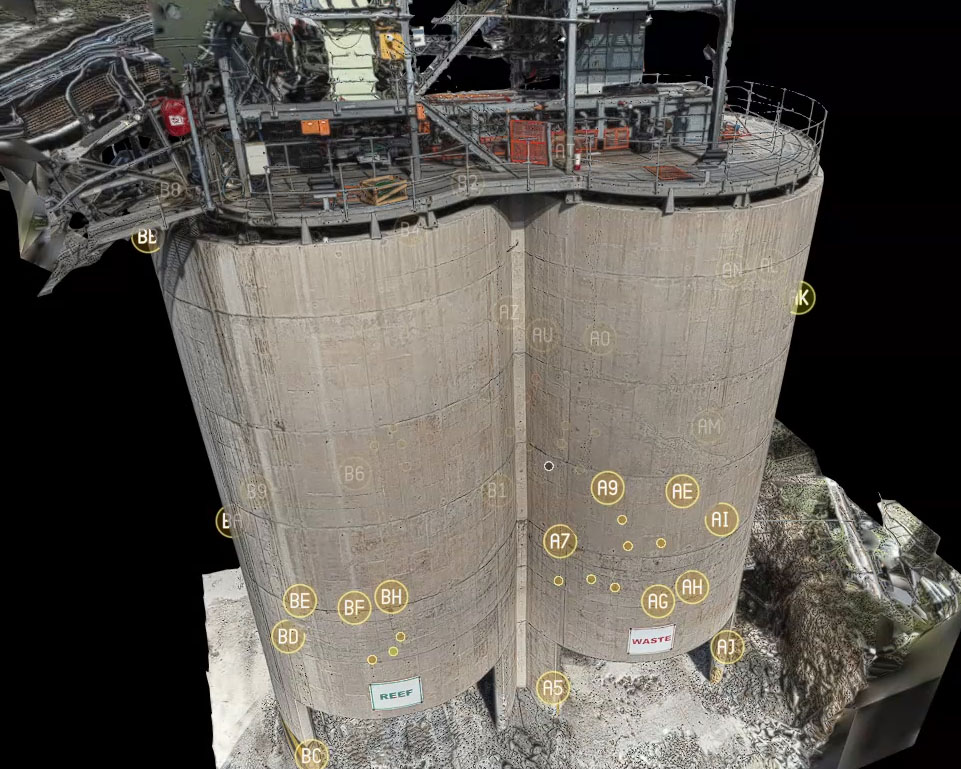
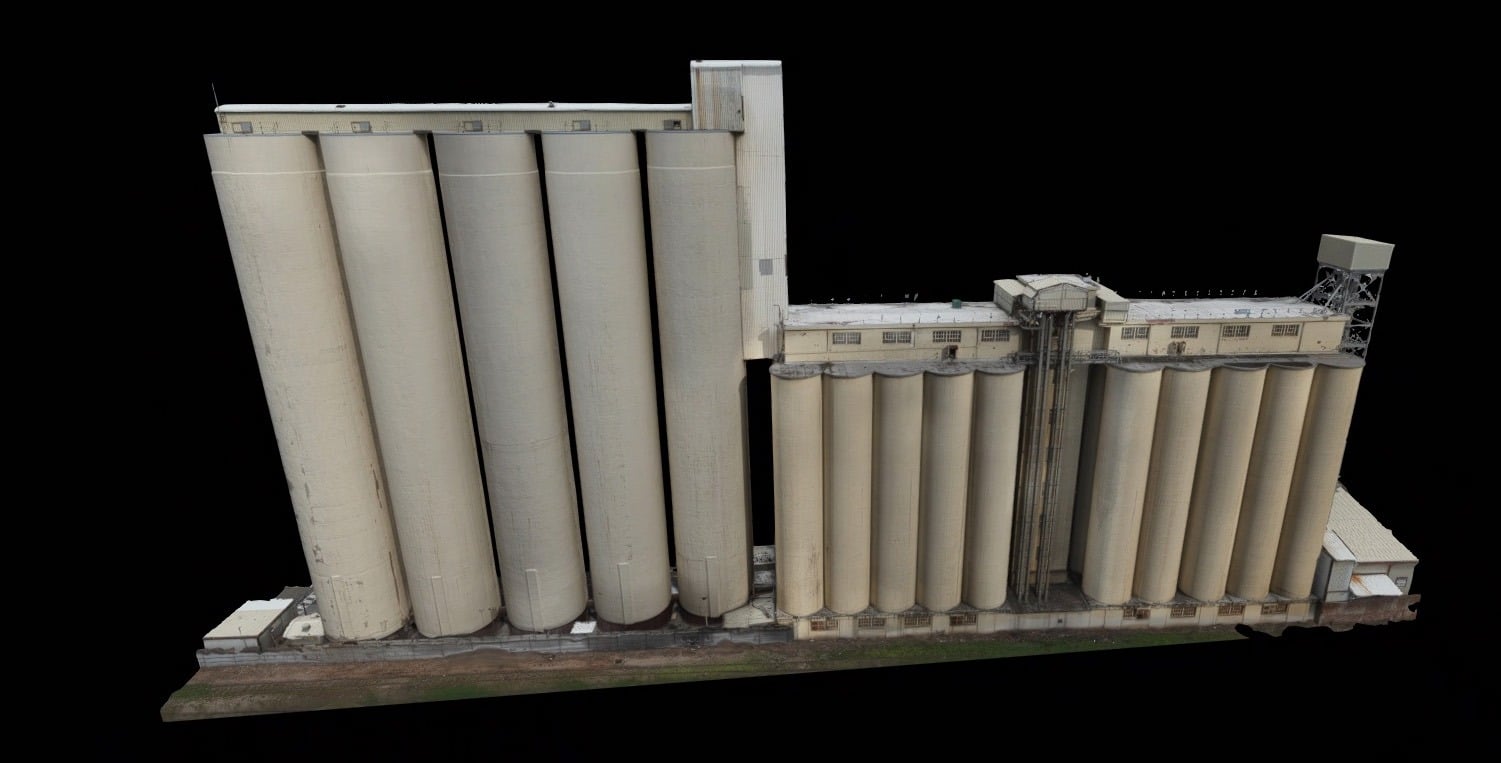
Drone, rover, and 360 video inspection of confined and hazardous spaces. Silos, tanks, flues, pipelines, sewers, and pressure vessels inspected without human entry. Faster, safer, and more thorough than traditional manned entry.

Trusted by
Sasol Eskom Impala Platinum Sibanye-Stillwater Afrimat Growthpoint Concor Stefanutti Stocks Zutari Infrastructure South Africa
In short

Confined space inspection examines silos, tanks, flues, and pressure vessels without human entry. Delta Scan flies collision-tolerant drones and rovers to capture the interior in 3D and 4K, meeting OHSA confined-space requirements while keeping people out of the hazard.

The South African Occupational Health and Safety Act defines a confined space as any enclosed area that is not designed for continuous human occupancy, has limited entry and egress, and may contain hazardous atmospheres or material. Section 21 and the SANS 10387 confined-space code of practice impose strict procedural requirements: atmospheric testing, attendant standby, rescue plans, and entry permits. Even with full compliance, confined-space entry remains one of the highest-fatality categories of industrial work.

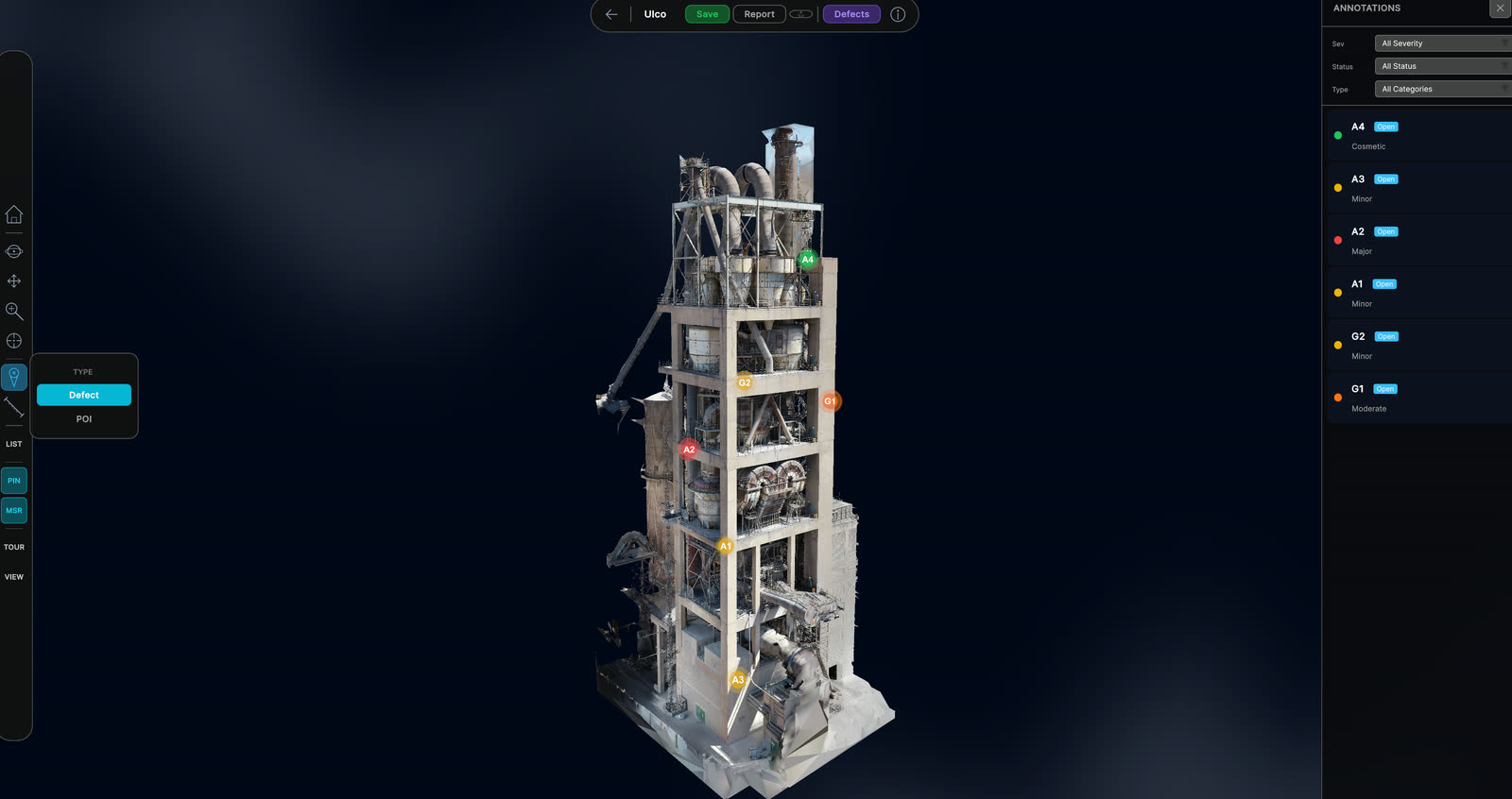
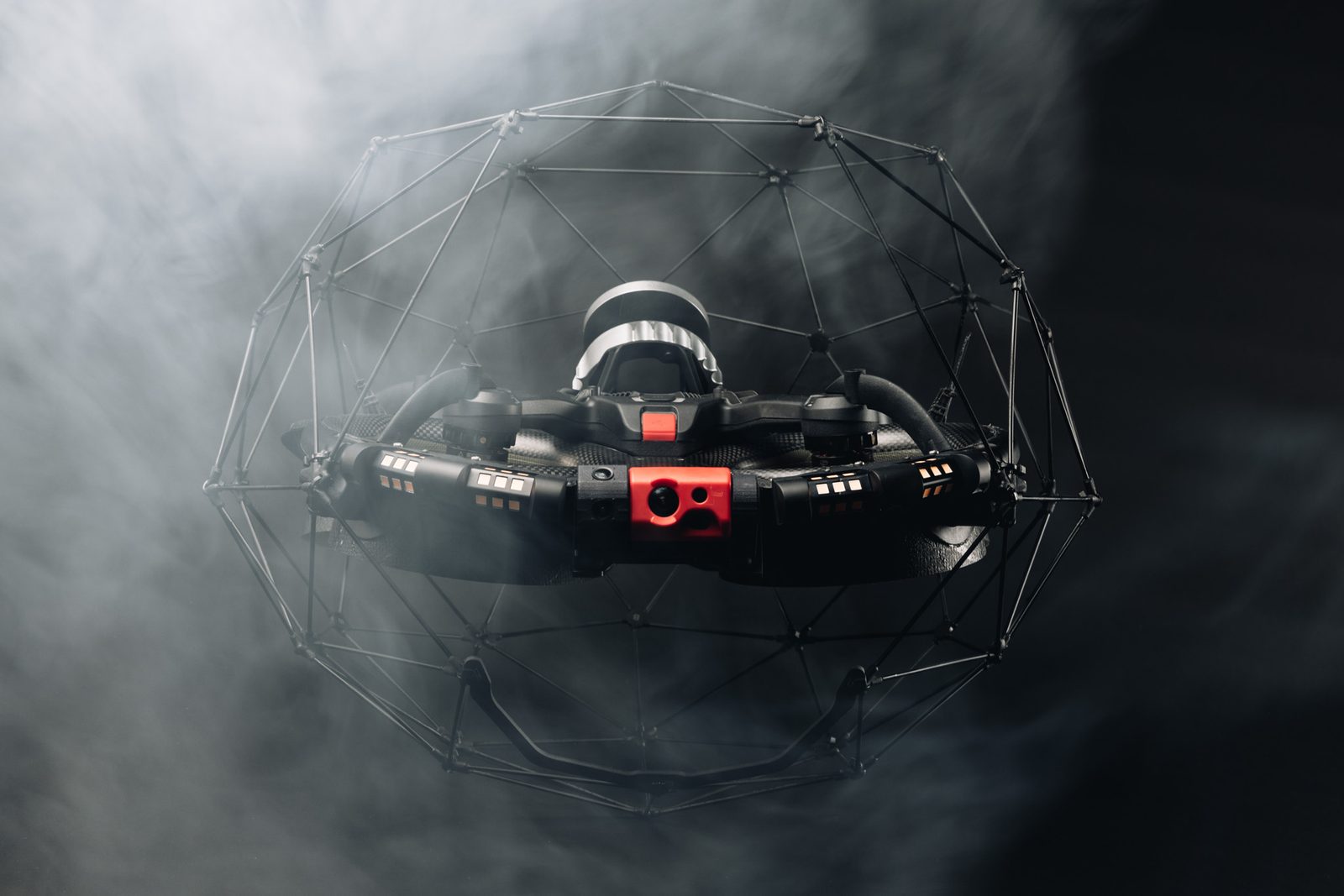
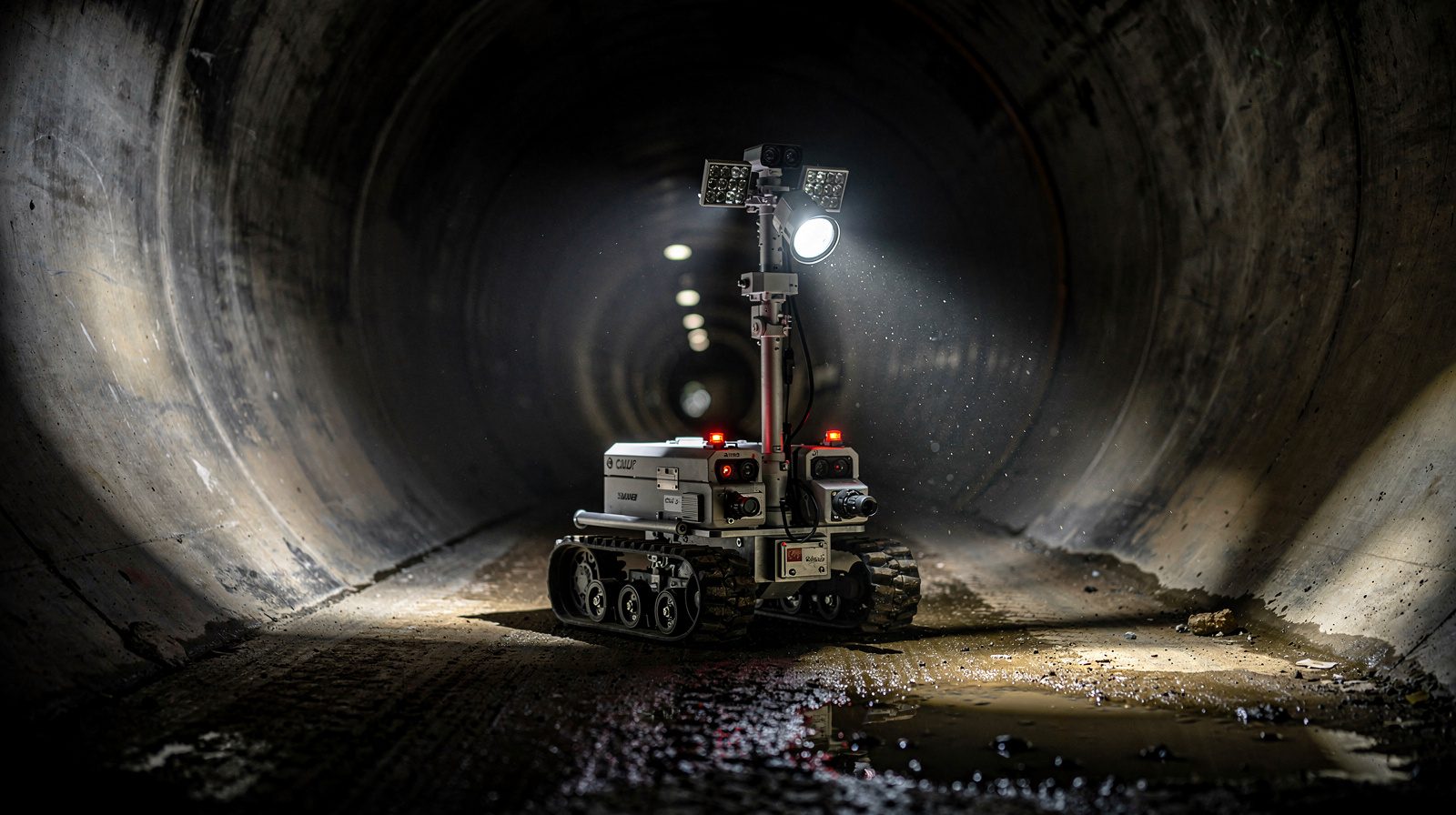
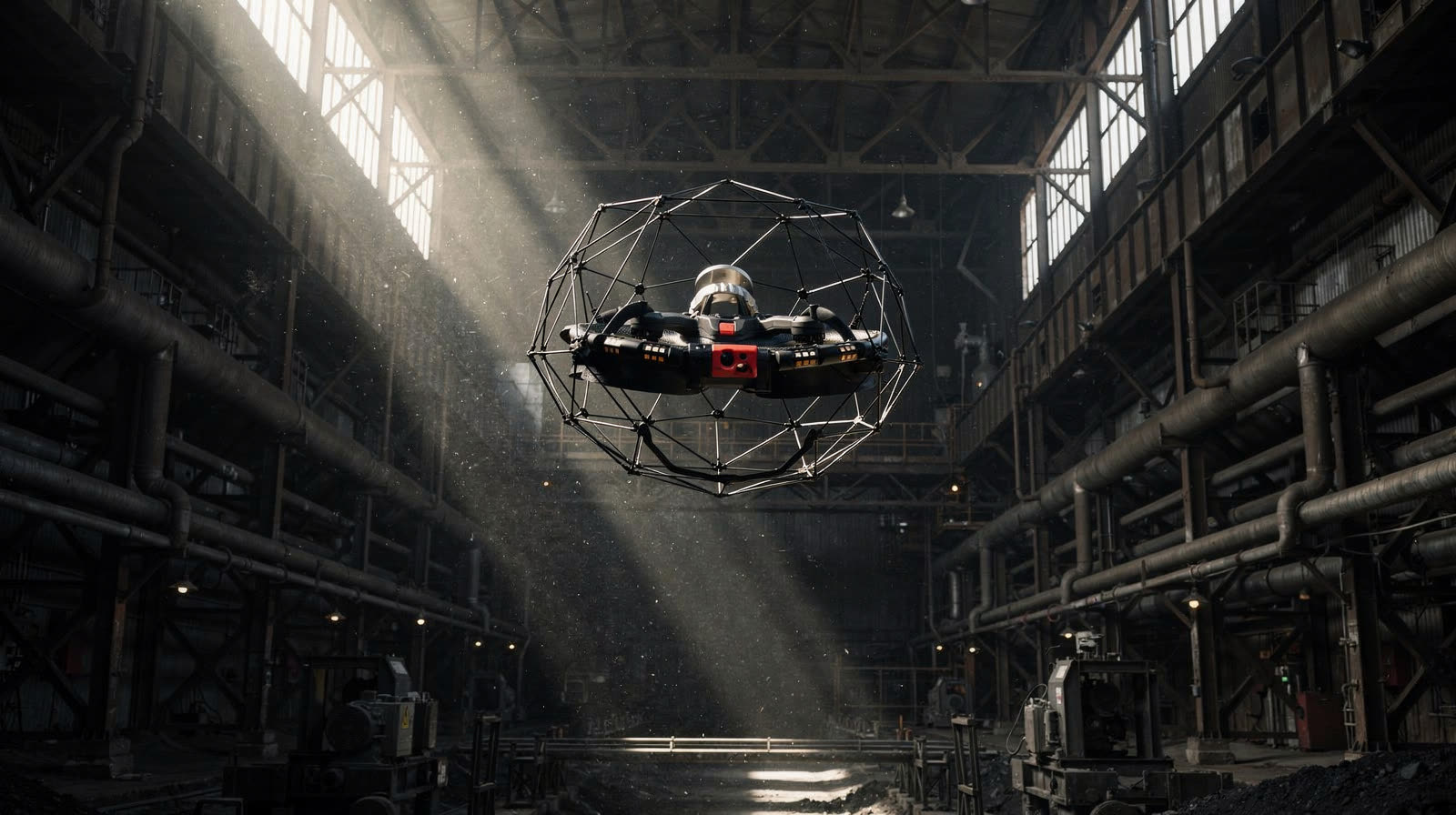
Delta Scan delivers confined-space inspection using a combination of the Flyability ELIOS 3 collision-tolerant drone, a proprietary tracked inspection rover developed in-house, and 360-degree video capture processed through our Omnispect annotation platform. The result is full visual and dimensional coverage of the confined space, defect mapping with severity classification, and engineering review of all findings, with zero personnel entry required.
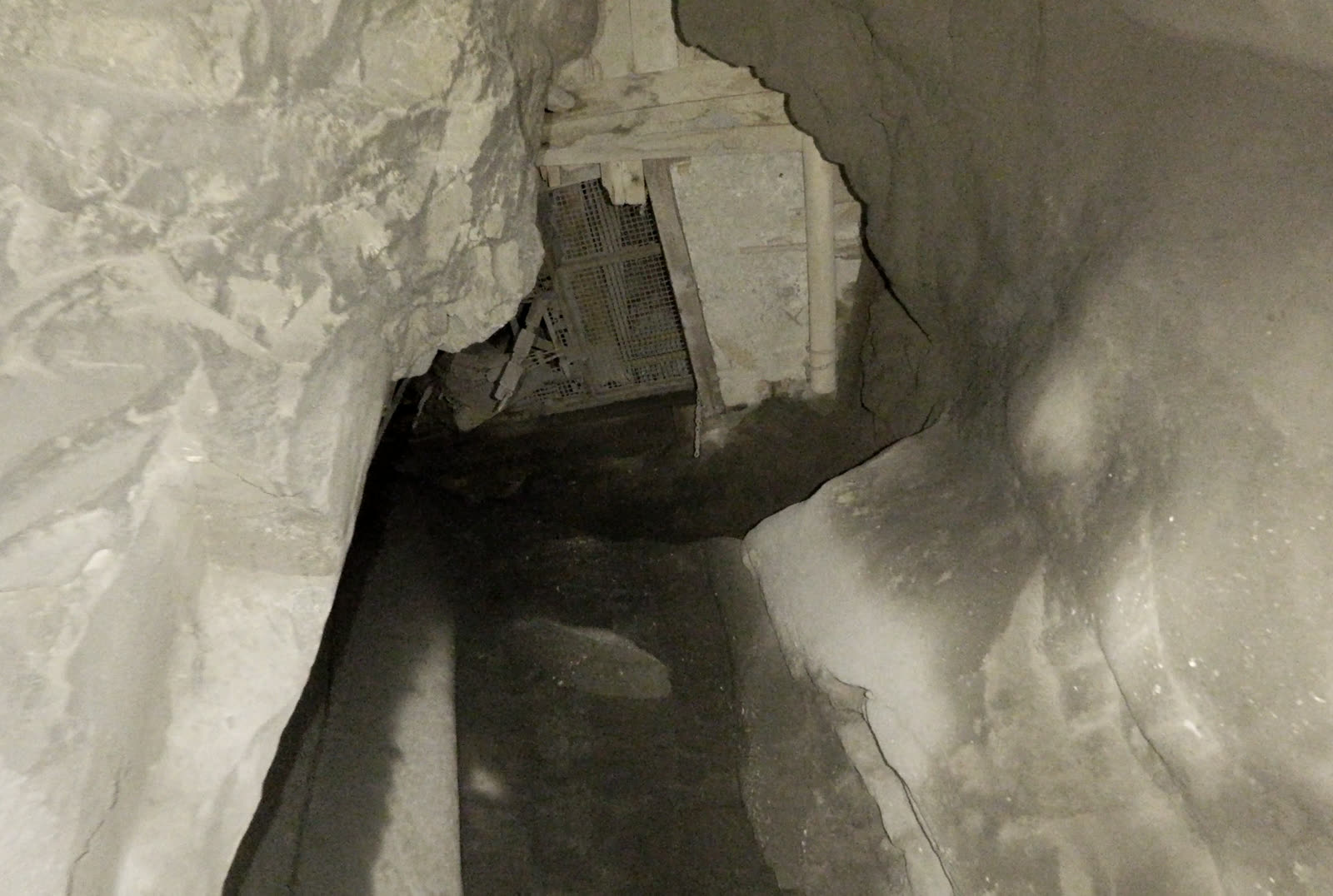
Selected output

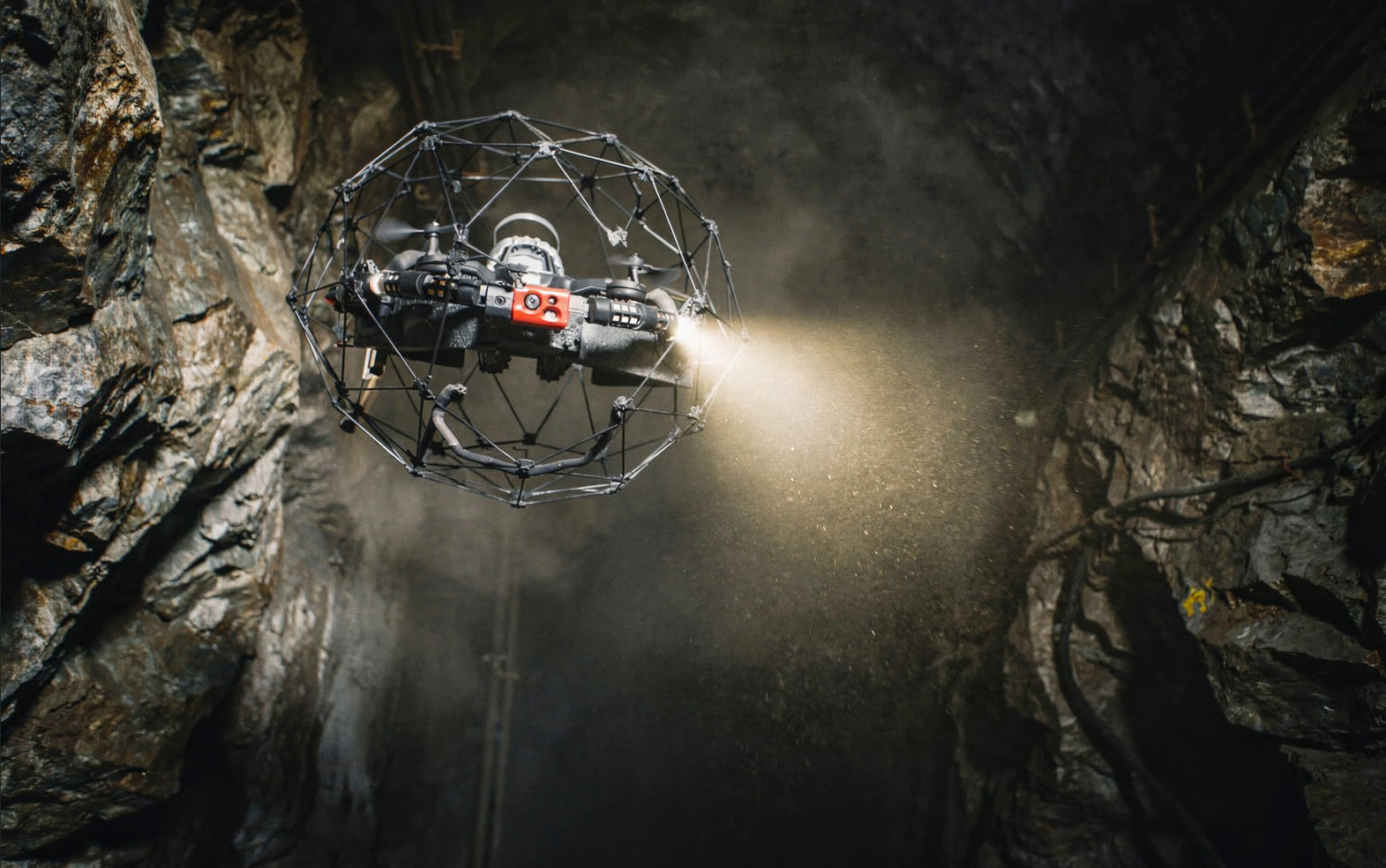
Inside, without sending people in.

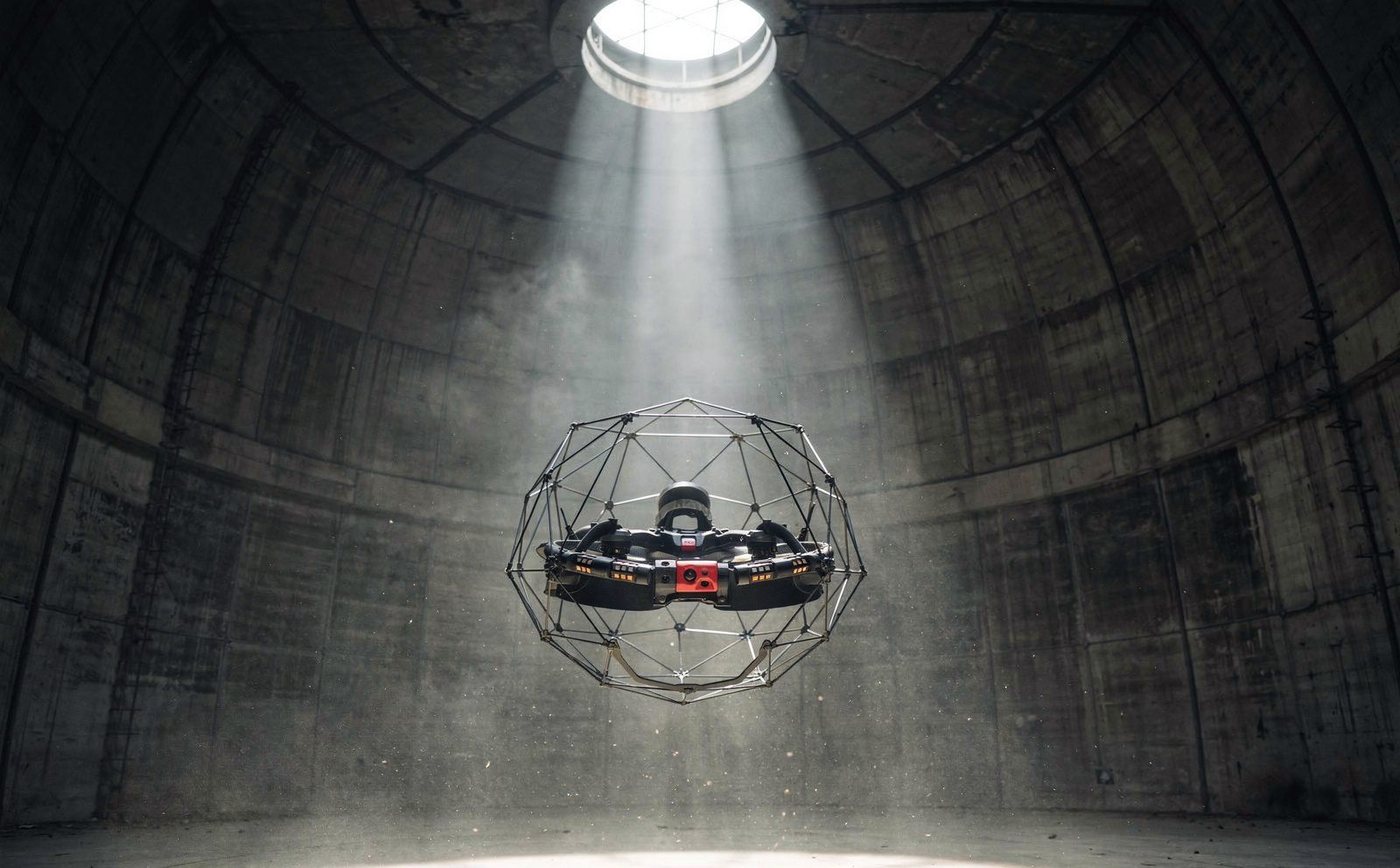
Collision-tolerant drones and 4K capture inspect silos, flues, vessels, and ducts with no human entry.

When to use it

Typical engagements.

Each scenario below represents a real-world trigger for this service. If your situation matches one of these, get in touch.

Pre-shutdown inspection

Before scheduled maintenance shutdowns at refineries, power stations, or industrial plants, drone inspection establishes the work scope without consuming shutdown hours. Maintenance teams arrive with precise defect locations.

Post-failure investigation

After collapse, fire, water inrush, or other failure events, drone capture enables engineering assessment of the affected confined space before any personnel re-entry is considered.

Routine condition surveys

Storage silos, processing tanks, water reservoirs, sewage pipes, and pressure vessels benefit from scheduled inspection to track corrosion progression, fouling, and lining condition.

Pre-purchase or pre-acquisition assessment

During industrial asset acquisition, drone surveys of tankage, vessels, and confined-space process equipment establish condition without disrupting the operating asset.

How it works

Our process.

A repeatable five-stage workflow. The same disciplined sequence runs whether the site is a 500-hectare mining operation or a single 60-metre bridge.

01

Risk assessment and permit

Confined-space entry is governed by OHSA and SANS 10387 even for unmanned inspection. Atmospheric testing, isolation lockout-tagout, and an entry permit are still required. Our deployment plan integrates with the site's permit-to-work system.

02

Platform selection

ELIOS 3 caged drone for large confined spaces (silos, flues, large tanks, ore passes). Tracked inspection rover for pipes, ducts, and small-diameter culverts. Omnispect 360 camera for routine pass-through documentation. Selection drives the survey method.

03

Confined-space capture

The platform enters the confined space and captures HD video and LiDAR data covering the full internal geometry. Operator-guided to areas of specific concern. Real-time SLAM constructs the 3D model on the way through.

04

AI defect detection

Captured imagery and video are processed through our defect detection pipeline tuned for the confined-space context: corrosion, coating failure, weld defects, ash accumulation, biological growth, structural damage. Detections are reviewed by an engineer.

05

Engineering report

A signed deliverable including the 3D model, defect map with severity, comparison against previous inspection where available, and recommended interventions. All delivered through DeltaCloud.

Request a confined space inspection See the Kusile case study
Equipment

What we use.

Calibrated, sector-matched hardware combined with proprietary software. The capture stack is selected for the asset, not the other way around.

Flyability ELIOS 3

Flyability ELIOS 3

Primary drone for large confined spaces. Collision-tolerant cage allows contact with walls. Ouster OS0-32 LiDAR plus HD cameras.

Delta Scan tracked rover

Delta Scan tracked rover

In-house developed tracked inspection rover for pipelines and culverts. Accesses openings as small as 350mm. Surveys exceeding 1km in a single deployment.

Omnispect platform

Omnispect platform

Proprietary 360-degree video annotation and severity workflow. Tags, leader lines, defect categories. Cloud-based review and version control.

Sectors

Where this fits.

The same engineering discipline applies across Energy and petrochemical, Mining, Water and wastewater, Industrial and grain. The detail changes with the asset class and the operational context.

Energy and petrochemical

Power station boilers and ducts, storage tanks, refinery flues, pressure vessels, separators, cooling towers

Mining

Mill shells, leach tanks, thickener tanks, ore pass inspection, ventilation shafts, ducts

Water and wastewater

Sewers, stormwater culverts, water reservoir internals, sludge digesters, pump station wet wells

Industrial and grain

Grain silos, cement silos, sugar tanks, fermentation vessels, processing equipment

FAQ

Frequent questions.

Direct answers to the questions clients ask most often before engaging.

Does using a drone exempt me from confined-space entry permitting?

No. South African OHSA and SANS 10387 require atmospheric testing, isolation, and an entry permit even for unmanned inspection equipment. The benefit of drone inspection is that no human enters: it removes the highest-risk element while the procedural compliance remains.

What if the drone gets stuck inside the vessel?

It is a real risk on any confined-space deployment. Mitigations include the cage design (allows controlled wall contact), operator skill, redundant comms, and tether retrieval systems for specific configurations. Loss-of-equipment protocols are part of every job risk assessment.

Can you inspect a hot or pressurised vessel?

No. Deployment requires the vessel to be at ambient temperature and pressure, isolated, and atmospherically tested. We do not deploy into operating vessels.

How does the cost compare to manned entry?

For a typical large silo or tank, manned entry requires three to five personnel (entrant, attendant, rescue, supervisor), atmospheric monitoring, breathing apparatus, and often scaffolding or rope access. Drone inspection is one to two personnel outside the vessel for one shift. Cost reductions of 50 to 80 percent are typical, with safety improvement that is genuinely qualitative.

What about long pipelines and sewers?

Our tracked rover handles long horizontal pipelines and sewers. It has completed surveys exceeding 1,000m within a single pipe. Power and comms are integrated, with a tether for longer deployments.

Can you provide a signed engineering report?

Yes. Every report is reviewed and signed by a registered professional engineer. The signature is real, not symbolic: the responsible engineer reviews every flagged defect against the original equipment design and material specifications.

Related services

If this fits, these often do too.

Engineering programmes rarely run on a single service. These adjacent capabilities most often pair with the work above.

Accuracy & standards

Built to be signed, not just shared.

Pr EngECSA 202001436

Every engineering deliverable is reviewed and signed by Darryl Epstein, a registered Professional Engineer (Pr Eng, ECSA 202001436).

SAGIsurvey

Geospatial deliverables carry registered land-surveyor sign-off where accuracy must be certified.

Classstated

Every deliverable carries a stated survey accuracy class or BIM level of development (LOD), reported per engagement against check-point analysis.

Standardscited

Findings cross-referenced to the applicable codes (SANS, TMH, EN), with accuracy statements on every report.

Start here

Request a confined space inspection

Send the brief and our engineering team will review your enquiry and reply within one business day. Prefer to talk first? Call or WhatsApp us below.

Response within 1 business day · Pr Eng or SAGI signed

Start a project Call