Background
Units 1, 2, and 3 at Kusile Power Station were offline for nearly a year after a flue gas duct (FGD) collapsed in October 2022. The outage created a 2,400MW capacity gap, increasing load-shedding requirements by approximately 2.5 stages throughout 2023.
Services delivered
- Initial assessment and root cause analysis
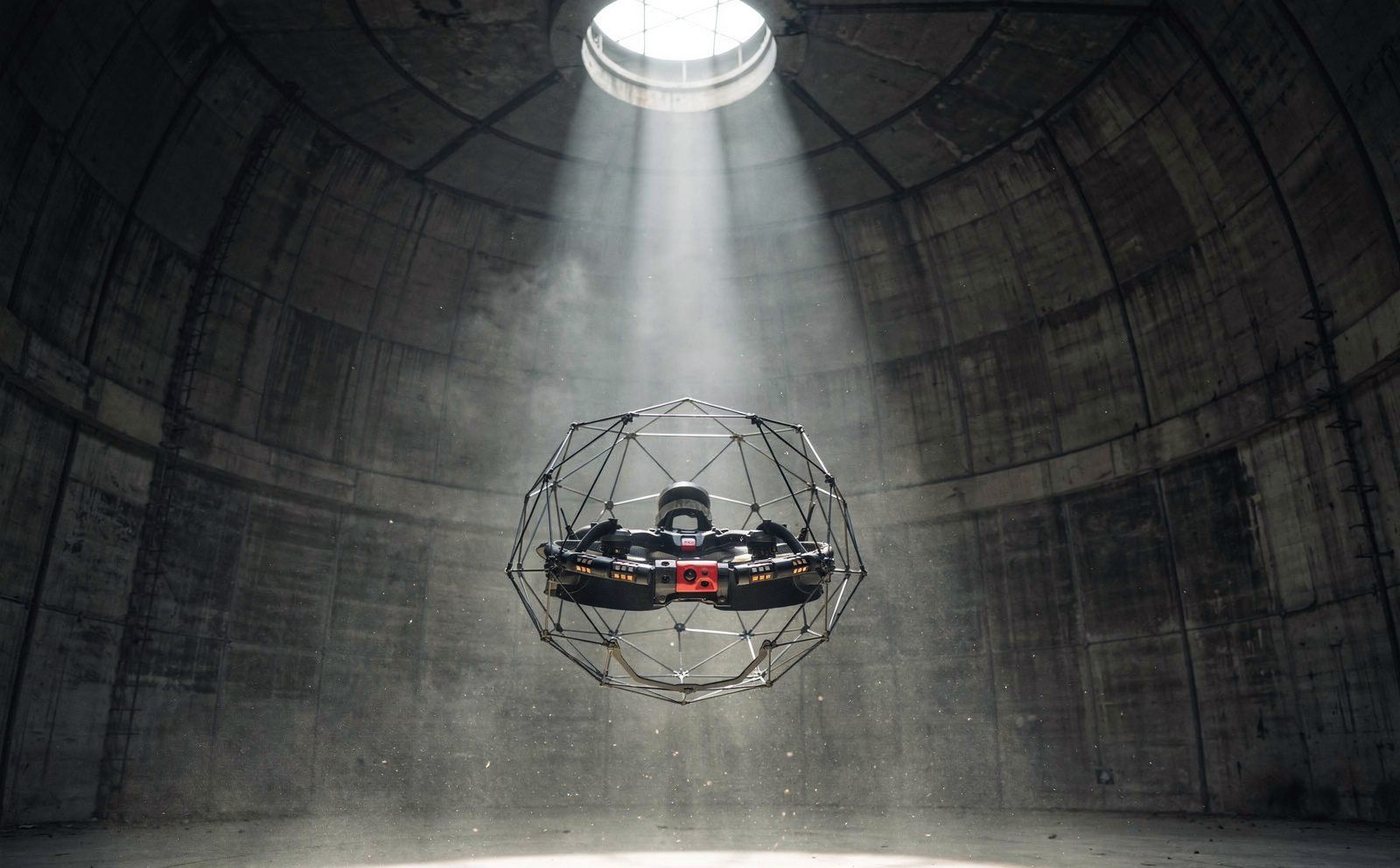
- Confined-space inspection using an ELIOS 3 drone with SLAM LiDAR
- Ash deposit volume calculation and structural load assessment
- Weekly structural integrity monitoring across 15 site deployments
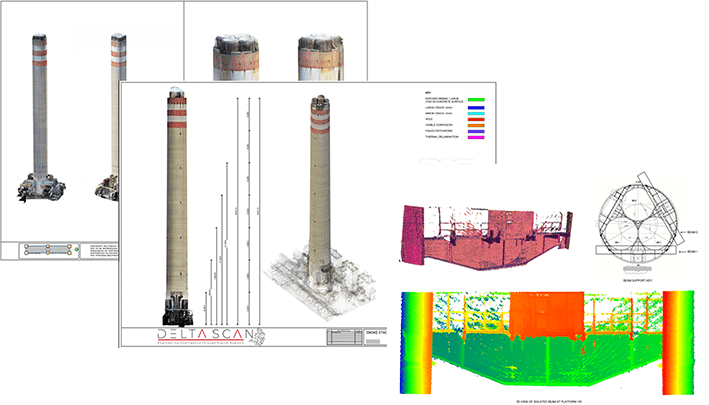
- Deflection analysis of supporting structures, bolts, nuts, and welds
- Post-operation LiDAR data assessment
Key findings
The investigation determined that excessive ash accumulation on the internal face of the flue led to the collapse through dislodgement. The structure was deemed unsafe for human access and at risk of further collapse.
Outcomes
Structural integrity was confirmed, enabling recommissioning. Unit 3 returned to grid on 30 September 2023; Unit 1 on 16 October 2023. Combined capacity restored: approximately 1,600MW. Zero personnel were placed at risk during the assessment programme.
Project metrics
- Assessment height: 150 metres above ground
- Vertical flying distance: 4,500 metres combined
- Site deployments: 15
- Distance travelled: 3,000 kilometres
- Personnel risk: zero humans placed at risk