




Specialised Service

Non-Destructive Testing (NDT) in South Africa

Assess condition and integrity without cutting, coring, or shutting down. Thermography, drone and remote visual inspection, GPR, and ultrasonic thickness gauging, interpreted by a registered engineer.

Trusted by
Sasol Eskom Impala Platinum Sibanye-Stillwater Afrimat Growthpoint Concor Stefanutti Stocks Zutari Infrastructure South Africa
In short

Non-destructive testing (NDT) assesses condition and integrity without damaging the asset or taking it offline. Delta Scan applies thermography, drone and remote visual inspection, GPR, and ultrasonic thickness gauging, then a registered engineer interprets the findings into an actionable condition and integrity report.

Non-destructive testing (NDT) examines the condition and integrity of a structure, component, or material without damaging it and without taking it out of service. Instead of cutting, coring, or dismantling, NDT uses physics, heat, sound, radar, and high-resolution imaging, to reveal defects, deterioration, and hidden features that a visual check alone would miss.

Delta Scan delivers NDT focused on non-contact and ultrasonic methods: thermography for delamination, moisture, and thermal anomalies; drone and remote visual inspection for surfaces that are unsafe or impractical to reach; ground penetrating radar for subsurface and concrete; and ultrasonic thickness gauging for wall loss and corrosion. Every finding is reviewed by a registered professional engineer and turned into a condition and integrity assessment you can act on, not just a set of raw readings. Where deeper structural evaluation is needed, the same data feeds a structural condition audit.
When to use it

Typical engagements.

Each scenario below represents a real-world trigger for this service. If your situation matches one of these, get in touch.

Asset integrity and corrosion

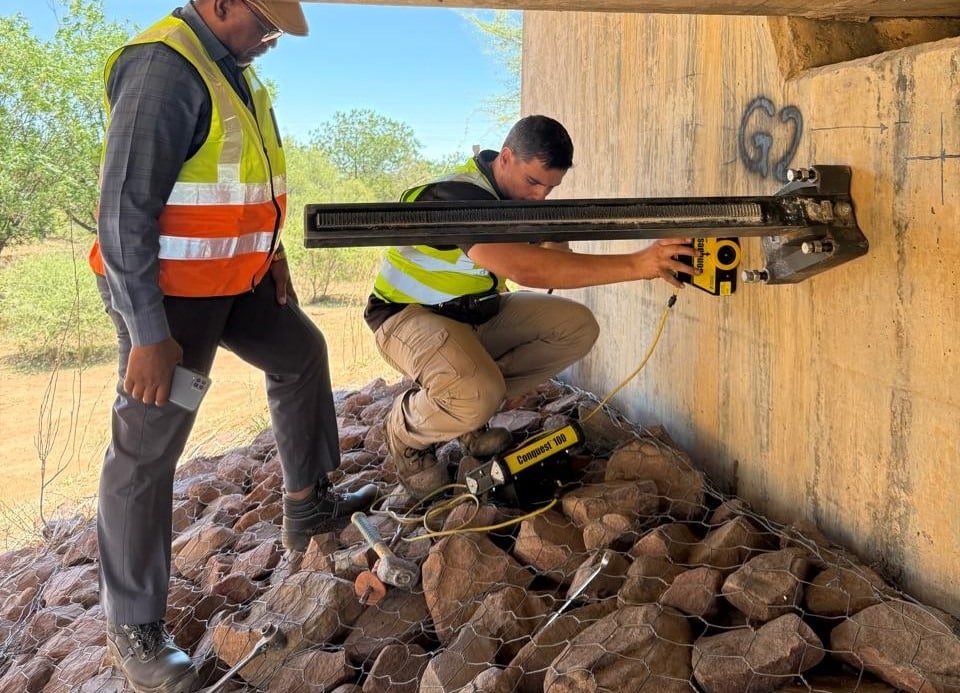
Ultrasonic thickness gauging measures remaining wall thickness on tanks, pipework, and steel structures to quantify corrosion and wall loss, supporting fitness-for-service and remaining-life decisions without taking the asset offline.

Delamination, moisture, and thermal faults

Thermography reveals concrete delamination, trapped moisture, missing or wet insulation, and overheating mechanical and electrical components, all invisible to the naked eye, by reading surface temperature differences.

Hidden and subsurface features

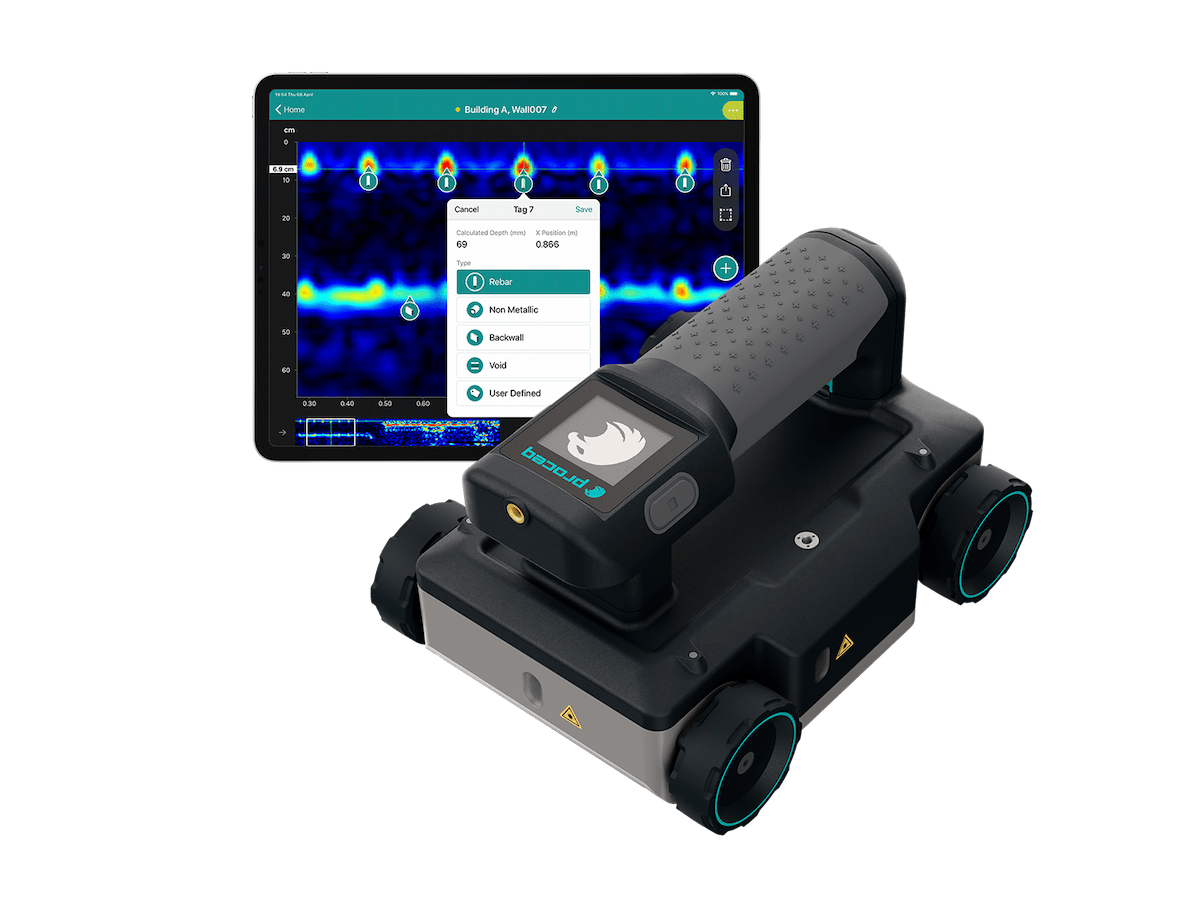
Ground penetrating radar locates rebar, post-tension cables, voids, and buried services inside concrete and below ground, so condition can be assessed and any penetration made safely.

Unsafe or inaccessible inspection

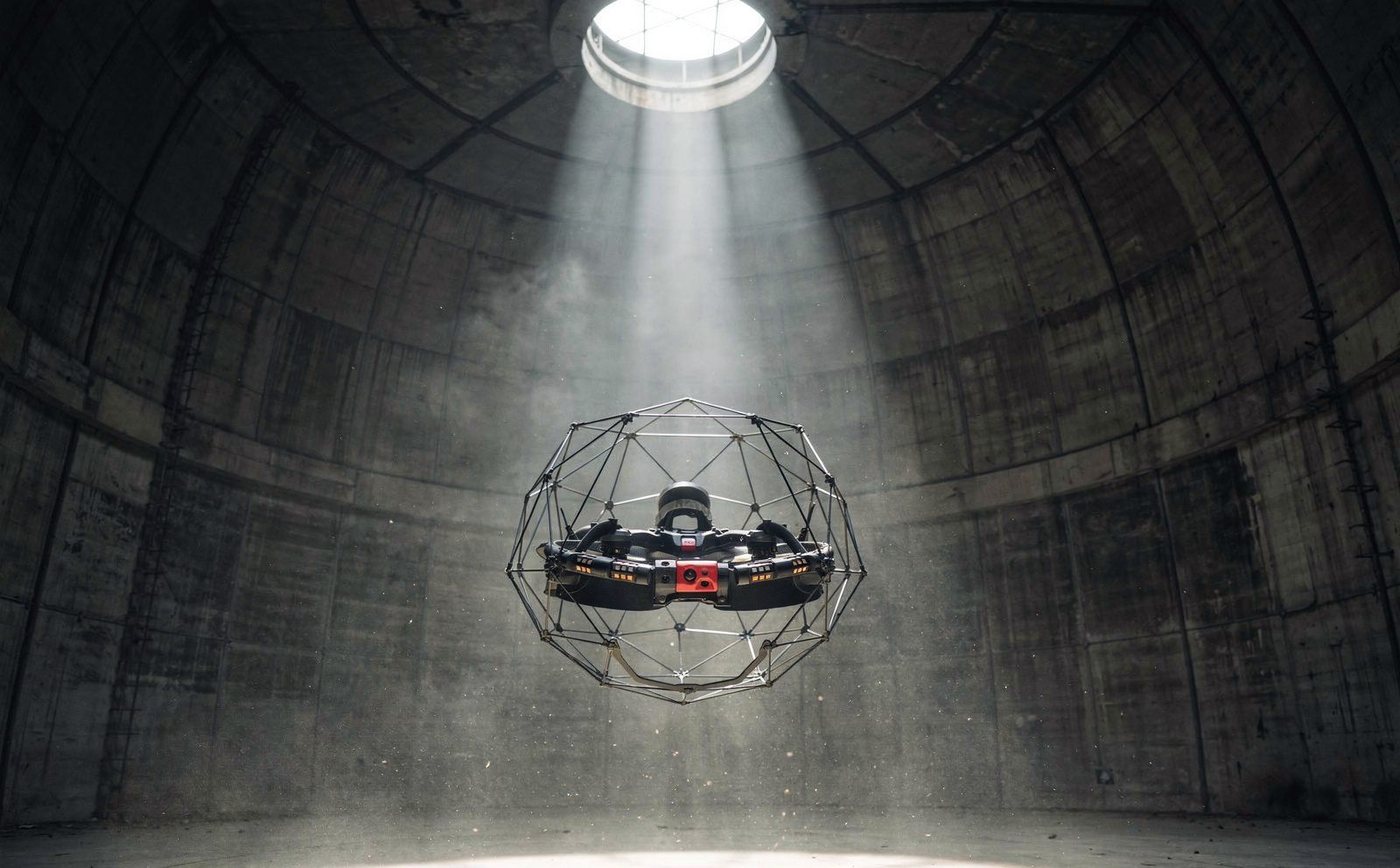
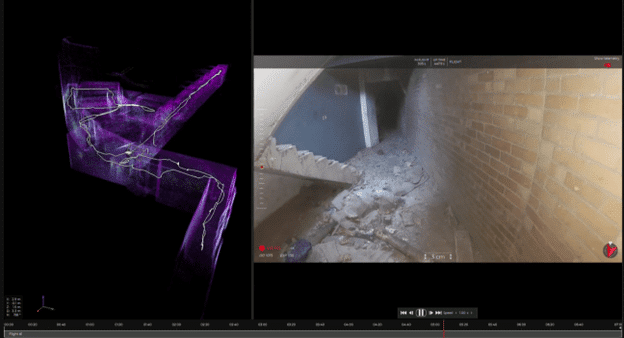
Drone and remote visual NDT inspects high structures, confined spaces, and live plant without scaffolding, rope access, or human entry, removing people from the hazard while still capturing the detail.

How it works

Our process.

A repeatable five-stage workflow. The same disciplined sequence runs whether the site is a 500-hectare mining operation or a single 60-metre bridge.

01

Scope and method selection

We agree what you need to establish, condition, integrity, defect type, or remaining life, and select the NDT methods that answer it. Most engagements combine two or more methods for a complete picture.

02

Non-destructive capture

The selected methods are applied on site: thermography and visual capture by drone or handheld, GPR across the elements of interest, and ultrasonic thickness readings at defined grid points. Capture is non-contact or non-invasive and rarely needs a shutdown.

03

Data processing

Thermal, radar, ultrasonic, and visual data are processed and each indication is located on the structure, so every finding carries a position and a measured value rather than a vague description.

04

Engineering interpretation

A registered professional engineer reviews the indications against the structure and its duty, separates genuine defects from artefacts, classifies severity, and recommends what to monitor, repair, or investigate further.

05

Reported deliverable

You receive an NDT report with the located findings, measured values, annotated thermal and visual imagery, and engineering recommendations, delivered through DeltaCloud. Where the work feeds a condition audit, the findings flow into the engineer-signed report.

Request an NDT inspection quote See structural condition audits
Equipment

What we use.

Calibrated, sector-matched hardware combined with proprietary software. The capture stack is selected for the asset, not the other way around.

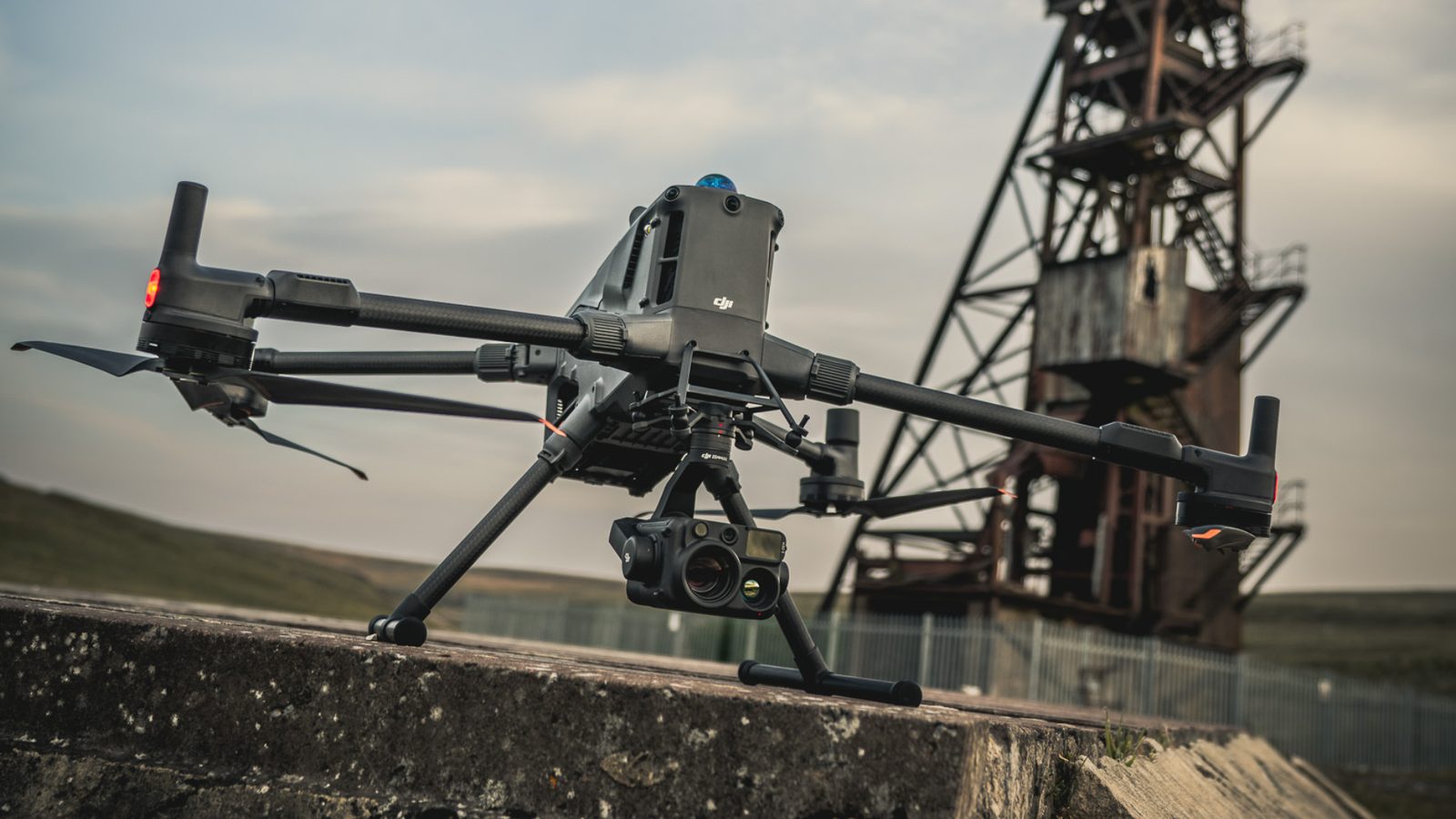
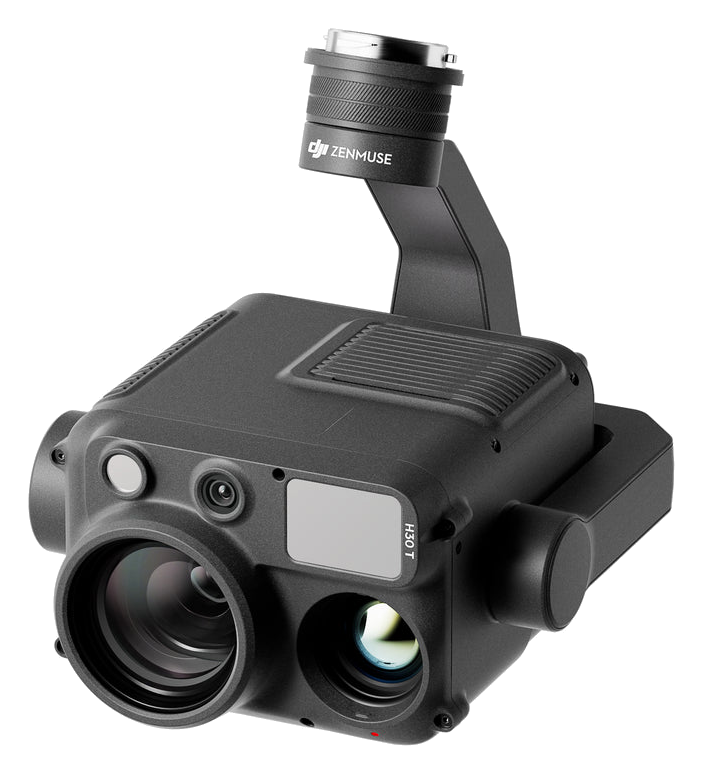
DJI Zenmuse H30T

DJI Zenmuse H30T

Radiometric thermal and high-zoom optical payload for thermography and remote visual NDT

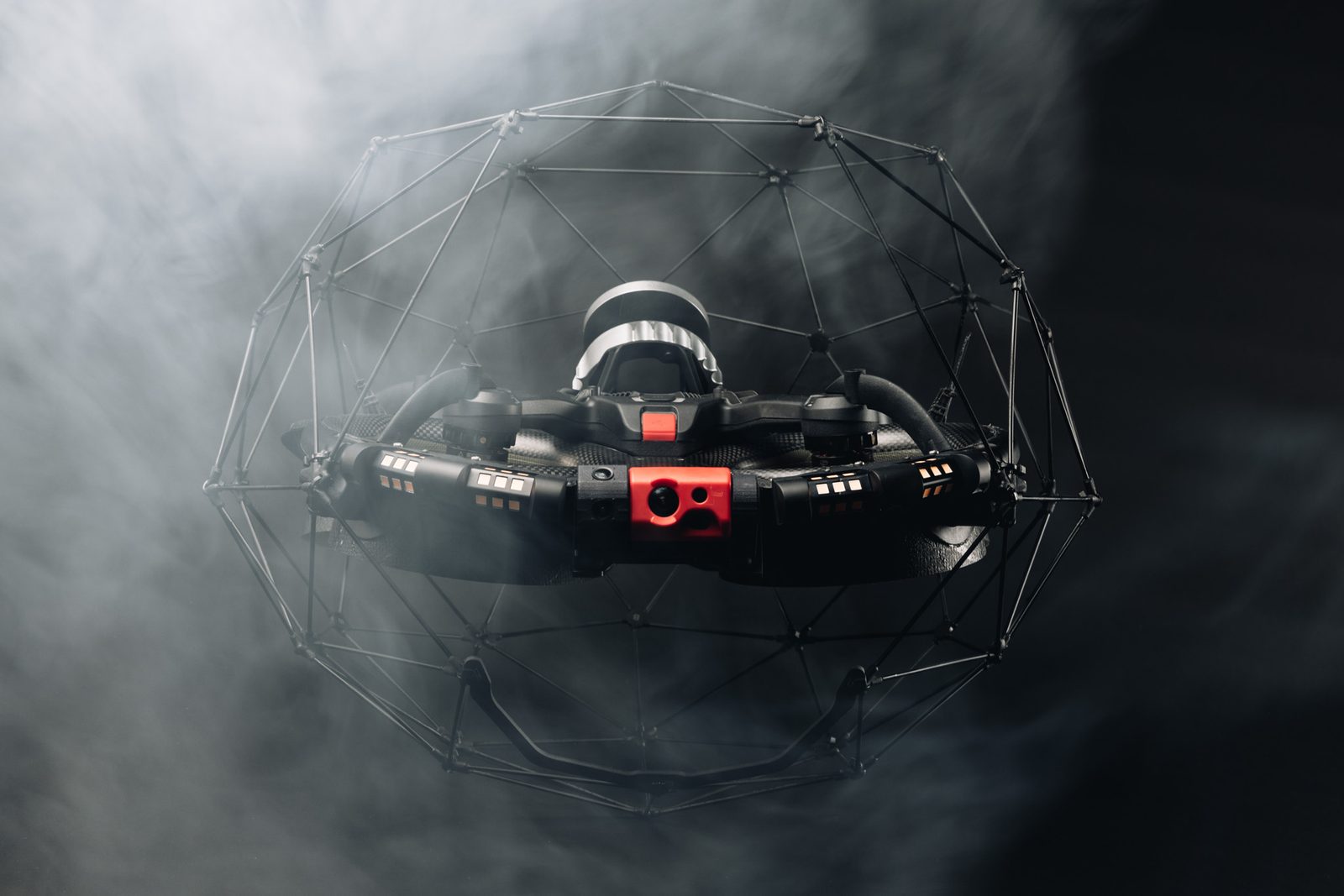
Flyability Elios 3

Flyability Elios 3

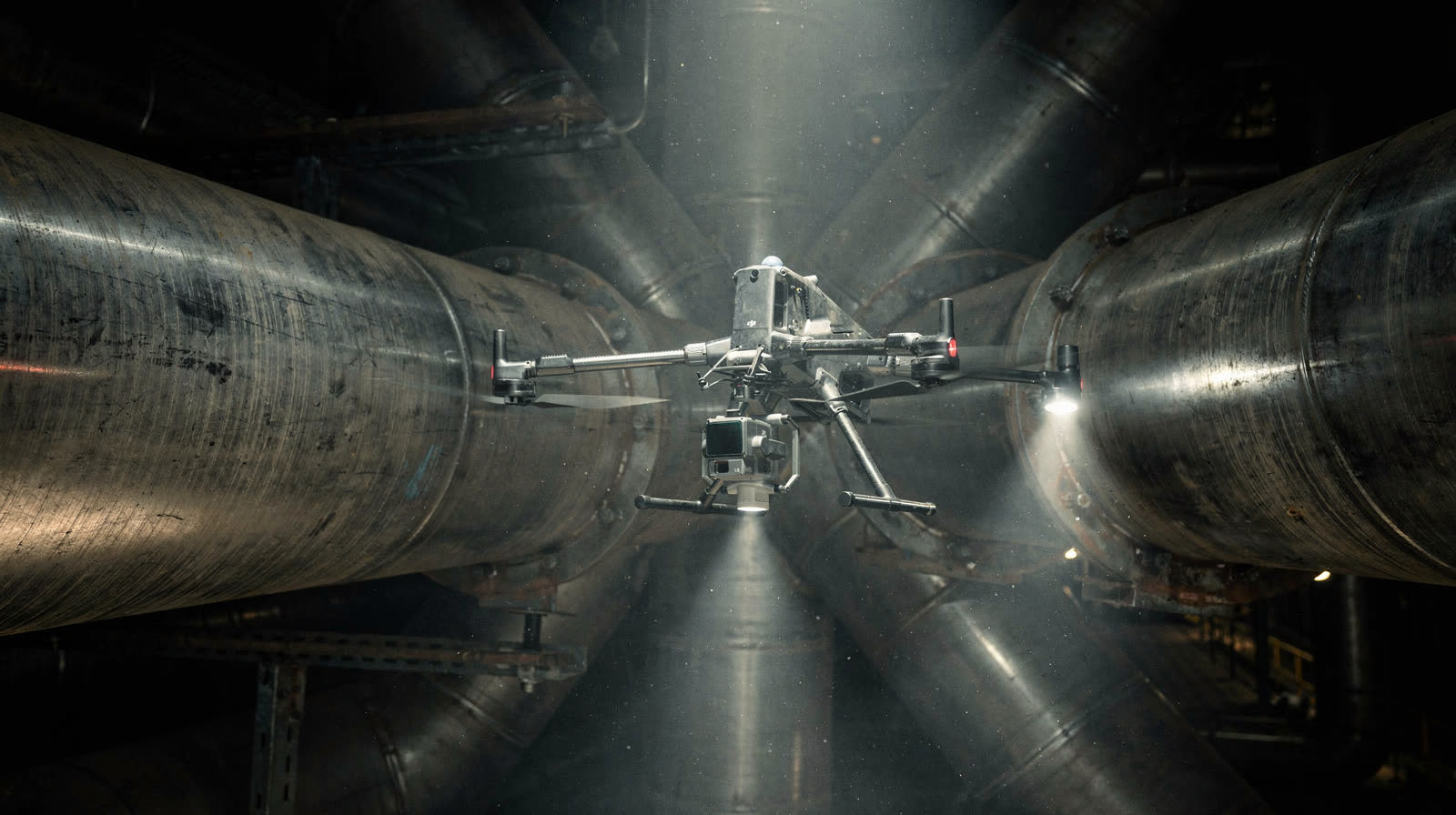
Collision-tolerant drone for visual NDT inside confined spaces and live plant with no human entry

DJI Matrice 400

DJI Matrice 400

Aerial platform carrying thermal and optical payloads for high-structure and large-area NDT

Proceq GP8000

Proceq GP8000

Concrete and rebar GPR for subsurface NDT, cover, thickness, and anomaly detection

Sectors

Where this fits.

The same engineering discipline applies across Mining, Energy, Infrastructure, Industrial and Process. The detail changes with the asset class and the operational context.

Mining

Process plant, tanks, conveyors, and steel structures checked for wall loss, delamination, and hidden deterioration

Energy

Boilers, ducts, switchgear, and cooling structures inspected thermally and ultrasonically for integrity and hotspots

Infrastructure

Bridges, reservoirs, and buildings assessed for delamination, moisture, rebar condition, and concrete integrity

Industrial and Process

Storage tanks, pipework, and pressure equipment thickness-gauged for corrosion and remaining-life planning

FAQ

Frequent questions.

Direct answers to the questions clients ask most often before engaging.

What NDT methods does Delta Scan offer?

We focus on non-contact and ultrasonic methods: thermography (thermal imaging), drone and remote visual inspection, ground penetrating radar for subsurface and concrete, and ultrasonic thickness gauging for wall loss and corrosion. We scope the method to the question being asked, and most jobs combine more than one.

Is this the same as conventional weld NDT?

It overlaps but is not identical. Our strength is asset-integrity and structural NDT using remote and ultrasonic methods, the kind of work where access is difficult, the asset must stay in service, or the area is large. For specialised methods outside this scope we will say so plainly rather than overreach.

Do I need to shut the asset down?

Usually not. Thermography, visual, and GPR are non-contact, and ultrasonic thickness gauging needs only surface access. Most NDT is done while the asset stays in operation, under the site safety protocols.

How does ultrasonic thickness gauging work?

An ultrasonic probe sends a sound pulse into the material and times its return from the back wall to calculate the remaining thickness. Repeated across a grid, it maps corrosion and wall loss on tanks, pipework, and steel, supporting fitness-for-service decisions.

What can thermography detect?

Surface temperature differences that reveal what is hidden: concrete delamination, trapped moisture and water ingress, missing or wet insulation, and overheating electrical and mechanical components. It is fast, non-contact, and covers large areas quickly.

Who interprets the results?

A registered professional engineer reviews the indications, separates genuine defects from artefacts, classifies severity, and recommends action. The value is in the engineering interpretation, not just the raw thermal, radar, or ultrasonic data.

Can engineering firms use this on a white-label basis?

Yes. We carry out the NDT capture and reporting under your authority while you retain the client and the professional sign-off, the same white-label model we run across our capture services.

Related services

If this fits, these often do too.

Engineering programmes rarely run on a single service. These adjacent capabilities most often pair with the work above.

Accuracy & standards

Built to be signed, not just shared.

Pr EngECSA 202001436

Every engineering deliverable is reviewed and signed by Darryl Epstein, a registered Professional Engineer (Pr Eng, ECSA 202001436).

SAGIsurvey

Geospatial deliverables carry registered land-surveyor sign-off where accuracy must be certified.

Classstated

Every deliverable carries a stated survey accuracy class or BIM level of development (LOD), reported per engagement against check-point analysis.

Standardscited

Findings cross-referenced to the applicable codes (SANS, TMH, EN), with accuracy statements on every report.

Start here

Request an NDT inspection quote

Send the brief and our engineering team will review your enquiry and reply within one business day. Prefer to talk first? Call or WhatsApp us below.

Response within 1 business day · Pr Eng or SAGI signed

Start a project Call