






Specialised Service

Roof and Truss Inspections

Condition assessment of roof structures and trusses in commercial, industrial and body-corporate buildings. Deflection, connection condition, member damage and load path, assessed and signed by a registered Professional Engineer.

Trusted by
Sibanye-Stillwater Eskom Grindrod Debswana TotalEnergies

Roof structures fail quietly. Timber trusses lose capacity to rot, borer and split members at connections. Steel trusses corrode at the points that are hardest to see, usually where a purlin cleat traps moisture. Nail plates back out. Bracing gets cut during a services installation and never gets reinstated. None of it announces itself until deflection becomes visible, and by then the structure has been carrying a compromised load path for years.

Delta Scan assesses the whole roof structure rather than the accessible part of it. Where a ceiling void is tight, unsafe or largely inaccessible, the structure is captured rather than crawled, so the assessment covers spans that a visual walk-through would never reach. The output is an engineering assessment of the structure, not a checklist: what the defect is, what it does to the load path, and what has to be done about it and in what order.
When to use it

Typical engagements.

Each scenario below represents a real-world trigger for this service. If your situation matches one of these, get in touch.

Visible deflection or a structural concern

Sagging ridge lines, deflecting ceilings or members that have visibly moved. The question is whether the structure is still carrying its design load and what the margin is.

After fire, storm or water damage

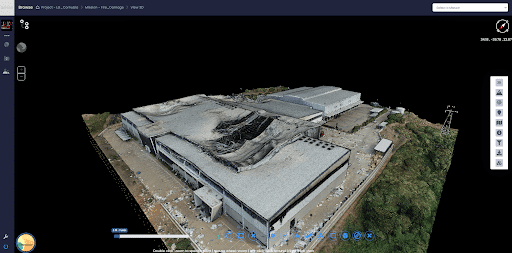
Heat, prolonged wetting and impact all reduce truss capacity in ways that are not obvious from below. An assessment establishes what has to be replaced and what can remain.

Before roof covering replacement

A new covering can change the load on the structure, particularly a change of material. The structure has to be assessed for the new load case before the covering is specified, not after.

Due diligence, insurance and body-corporate obligations

An independent, dated engineering record of roof structure condition supporting acquisition, insurance, reserve fund planning or a special levy motivation.

How it works

Our process.

A repeatable five-stage workflow. The same disciplined sequence runs whether the site is a 500-hectare mining operation or a single 60-metre bridge.

01

Establish structure type and available information

We identify the truss type, the material, the span and, where records exist, the original design. What the assessment can conclude depends on what the structure was designed to carry.

02

Capture the roof space

The roof structure is captured, including spans and voids that are unsafe or impractical to access on foot, so the assessment covers the whole structure rather than the reachable portion of it.

03

Defect identification

Member damage, rot, borer, corrosion, split or crushed timber, failed or backed-out connections, missing or cut bracing, and deflection are identified and located.

04

Structural assessment

Defects are assessed for their effect on the load path rather than listed. A corroded cleat and a rotted bottom chord are not equivalent problems, and the report distinguishes between them.

05

Pr Eng signed report and remedial schedule

You receive the condition record, the engineering assessment, and a remedial schedule prioritised by structural consequence, signed by a registered Professional Engineer.

Request a roof and truss inspection See structural condition audits
Equipment

What we use.

Calibrated, sector-matched hardware combined with proprietary software. The capture stack is selected for the asset, not the other way around.

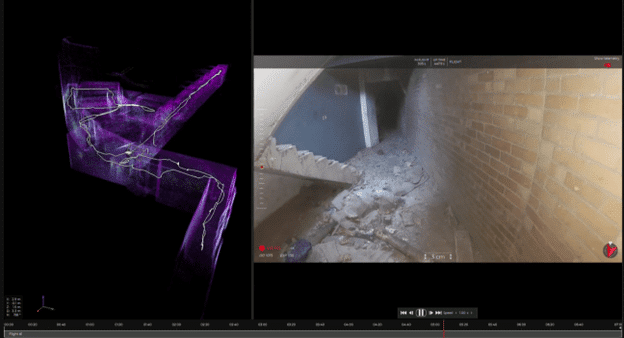
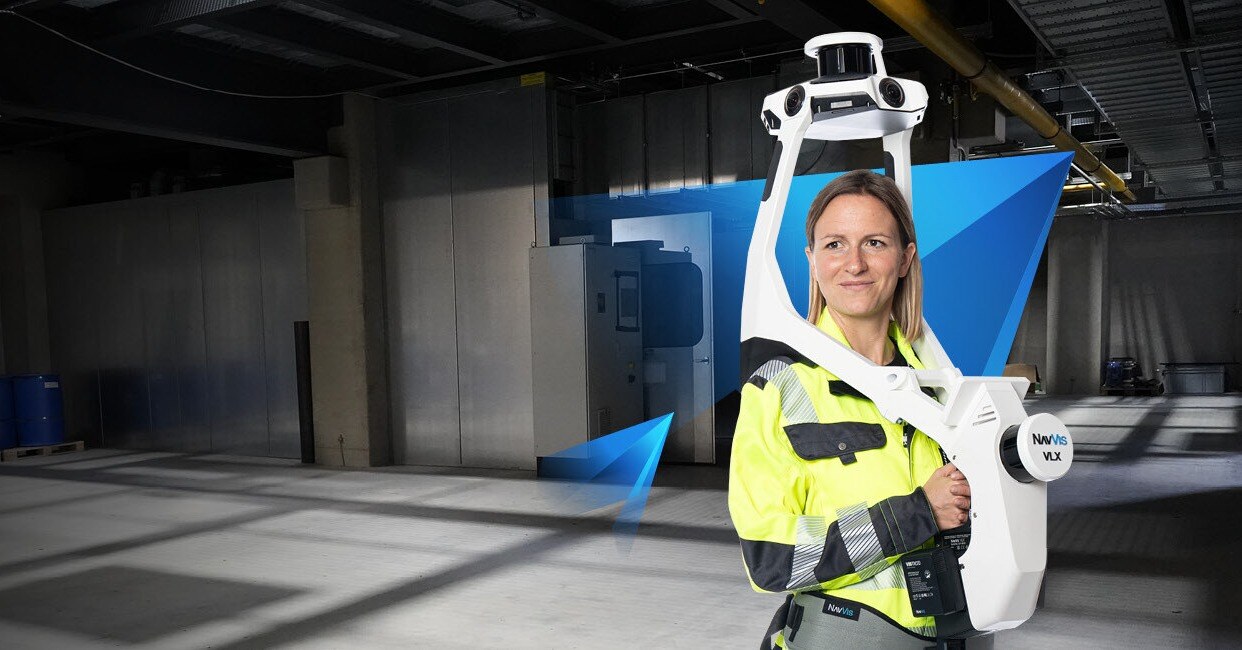
NavVis VLX 3

NavVis VLX 3

Mobile SLAM capture of roof voids and truss spans, including areas that are impractical to traverse on foot

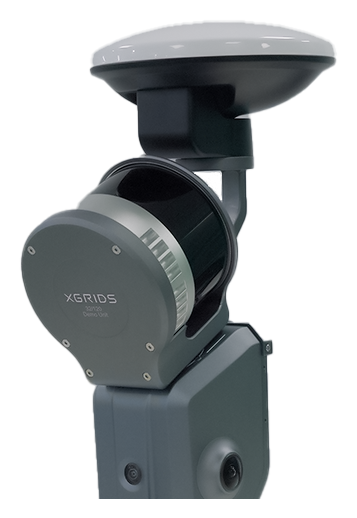
XGRIDS Lixel L2

XGRIDS Lixel L2

Handheld LiDAR with photoreal colour for detailed capture of individual trusses and connections

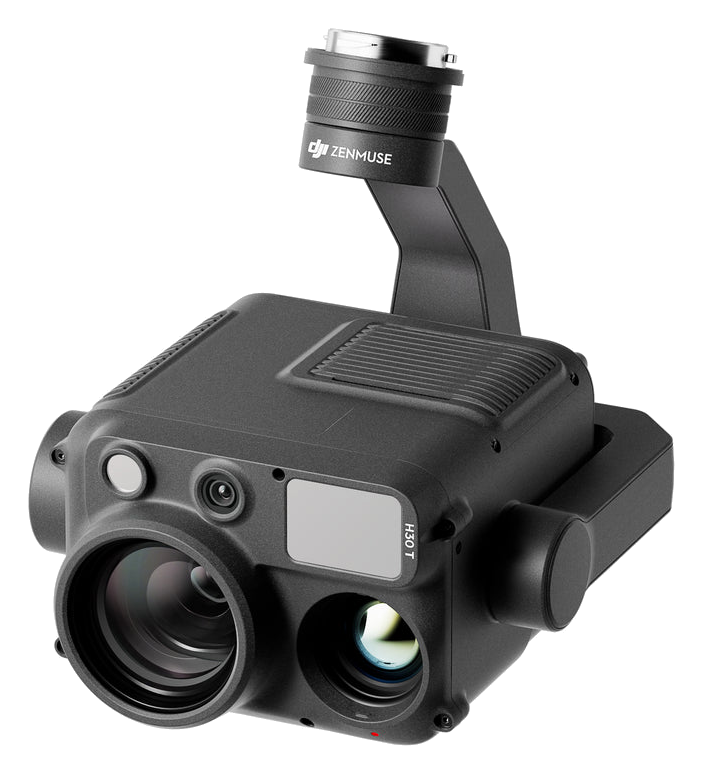
DJI Zenmuse H30T

DJI Zenmuse H30T

Thermal and high-resolution visual survey of the roof covering above, where ingress is implicated in the deterioration

Sectors

Where this fits.

The same engineering discipline applies across Commercial and retail property, Industrial and warehousing, Body corporate and managed property, Insurance and loss adjusting. The detail changes with the asset class and the operational context.

Commercial and retail property

Roof structure assessment across shopping centres, offices and showrooms, typically ahead of recovering or after a water ingress event.

Industrial and warehousing

Large-span steel truss and portal frame assessment where corrosion, impact damage or modification has affected the structure.

Body corporate and managed property

Common-property roof structure records supporting maintenance planning, reserve funds and special levy motivations.

Insurance and loss adjusting

Independent assessment of roof structure damage, its cause and its extent, where quantum or liability is contested.

FAQ

Frequent questions.

Direct answers to the questions clients ask most often before engaging.

Do you inspect residential roofs?

No. This service is scoped for commercial, industrial and body-corporate buildings. Single residential dwellings are not our practice area.

Can you assess a roof structure without original design drawings?

We can always assess condition, which is what most enquiries actually need. Assessing capacity against a specific load case is more constrained without the original design, and the report states clearly what has been assumed and what could not be established. We do not present an assumption as a finding.

Do you need access to the ceiling void?

Some access is needed, but the point of capturing the structure is that the assessment is not limited to the portion a person can safely crawl. Tight, unsafe and obstructed spans are exactly where undetected defects accumulate.

Do you do the remedial work?

No. We are the assessing engineer, not the contractor. That separation is what makes the report usable to tender the remedial work or to support an insurance position.

Is the report signed?

Yes. Reports are issued under the oversight of a registered Professional Engineer and signed. An unsigned condition opinion carries no professional weight where it matters, which is in a claim, a tender or a dispute.

Related services

If this fits, these often do too.

Engineering programmes rarely run on a single service. These adjacent capabilities most often pair with the work above.

Accuracy & standards

Built to be signed, not just shared.

Pr EngECSA 202001436

Every engineering deliverable is reviewed and signed by Darryl Epstein, a registered Professional Engineer (Pr Eng, ECSA 202001436).

SAGIsurvey

Geospatial deliverables carry registered land-surveyor sign-off where accuracy must be certified.

Classstated

Every deliverable carries a stated survey accuracy class or BIM level of development (LOD), reported per engagement against check-point analysis.

Standardscited

Findings cross-referenced to the applicable codes (SANS, TMH, EN), with accuracy statements on every report.

Start here

Request a roof and truss inspection

Send the brief and our engineering team will review your enquiry and reply within one business day. Prefer to talk first? Call or WhatsApp us below.

Response within 1 business day · Pr Eng or SAGI signed

Start a project Call