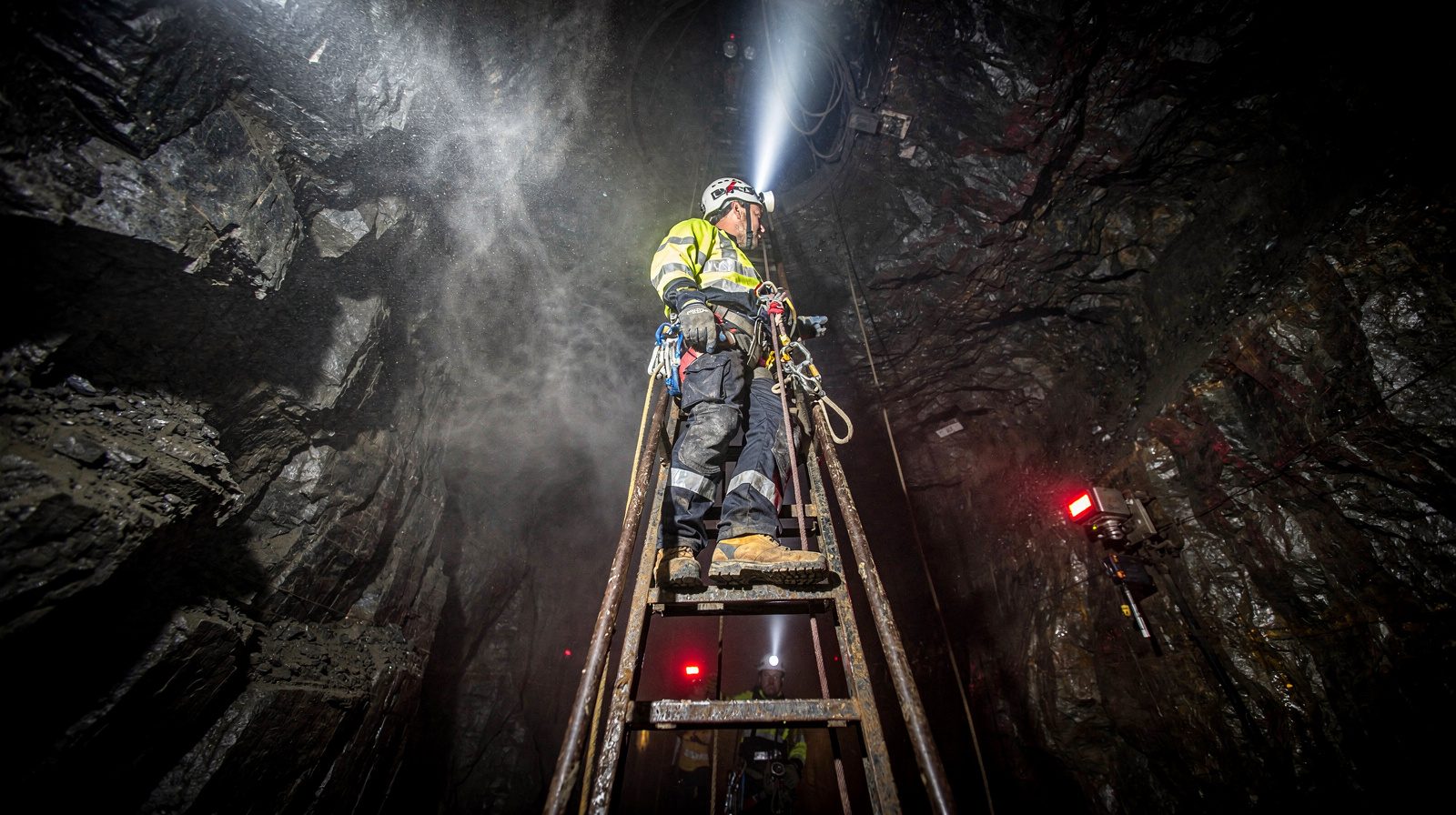
Mining remains fundamental to global progress, yet conventional inspection approaches increasingly struggle to meet modern industry demands. Traditional methods present substantial obstacles across safety, time and cost.
Manual Inspection Limitations
The sector has long depended on hands-on inspections, but this approach now faces significant constraints.
Safety Concerns
- Hazardous underground environments expose workers to cave-ins, toxic gases and machinery accidents
- Extended underground work causes fatigue, heightening accident risks
- Prolonged exposure to dust and fumes creates long-term health complications
Time Constraints
- Manual processes consume considerable time and disrupt active mining operations
- Inspection shutdowns result in operational downtime and revenue loss
Cost Implications
- Transporting expert personnel to remote sites requires substantial travel and accommodation spend
- Ongoing on-site inspection teams accumulate cost rapidly
- Operational shutdowns translate to significant lost income
Real-World Examples
Notable incidents underscore these challenges. The 2010 Copiapó disaster in Chile trapped 33 miners for 69 days. South Africa's mining sector has experienced numerous accidents linked to dangerous underground conditions, and Australian operations lose millions annually through extended inspection-related downtime.
Digital Transformation Solution
Digital technologies such as drone photogrammetry and terrestrial LiDAR, coupled with artificial intelligence, enable remote inspections and predictive maintenance, fundamentally reshaping mining safety and efficiency.